A detox may be required when the body has developed a tolerance to a substance, such as alcohol or drugs. This increased tolerance can sometimes lead to physical dependence, which should be dealt with under the care of a professional.
Detox is not necessary for all addictions, but it’s important to speak with a professional about the right steps for you.
What is a detox?
Many people often get confused between detox and rehab. Detox or detoxification is the process of clearing the body of toxic or unhealthy substances. In contrast, rehab or rehabilitation is the process of learning to live a positive and fulfilling life free from substances.
There are various types of “detox” available. The aim of a detox is to facilitate the safe removal of substances from the body and to manage withdrawal symptoms.
What are withdrawal symptoms?
Continued substance abuse can lead to the body becoming reliant, meaning that the body needs this substance to function to some degree.
Should the substance become absent, the individual will experience side effects commonly known as “withdrawal symptoms”. These symptoms can vary in type, length, and severity depending on the type of substance used and its regularity and quantity.
Common withdrawal symptoms include:
Anxiety
Low mood or mood swings
Nausea
Sleep deprivation
Sweating
Aches and pains
Shaking
Retching
Seizures
Death
Which addictions can be treated through a detox?
We work with a range of professional detox centres in the North West who specialise in all addictions. Alcohol addiction can be treated using a short-term detox.
Other addictions, such as cocaine, ketamine and cannabis, can usually begin with an admission to rehab, rather than a detox centre.
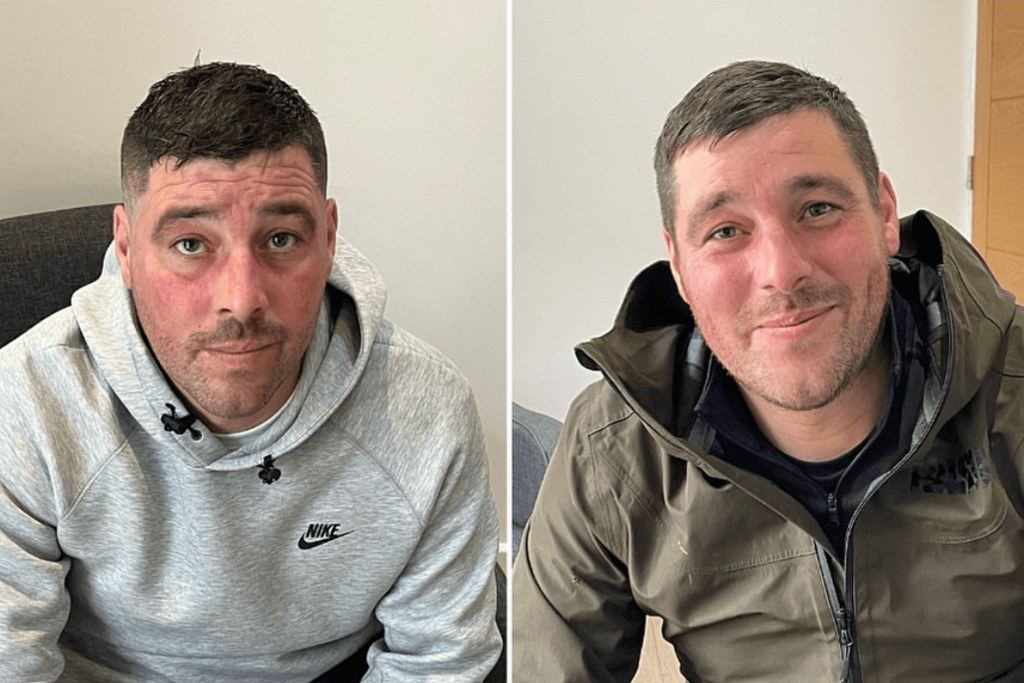
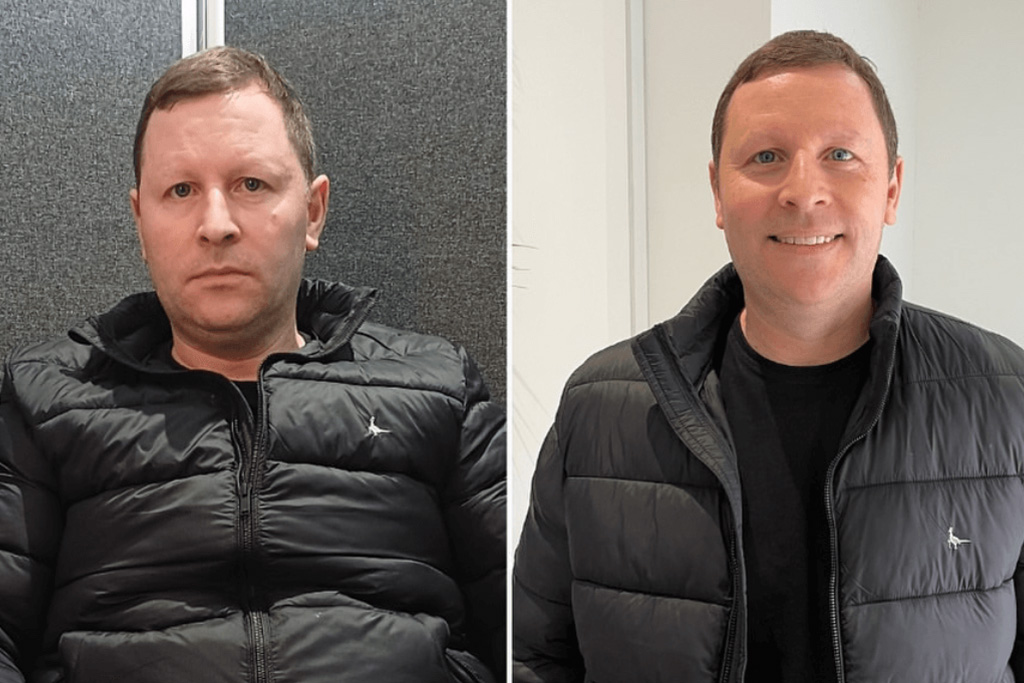
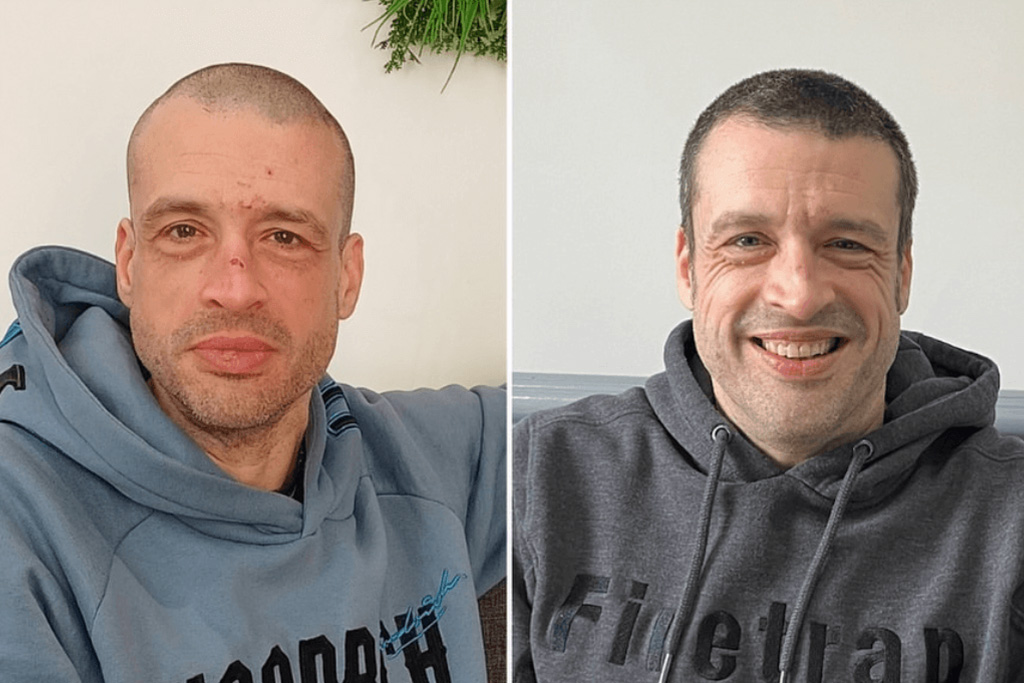
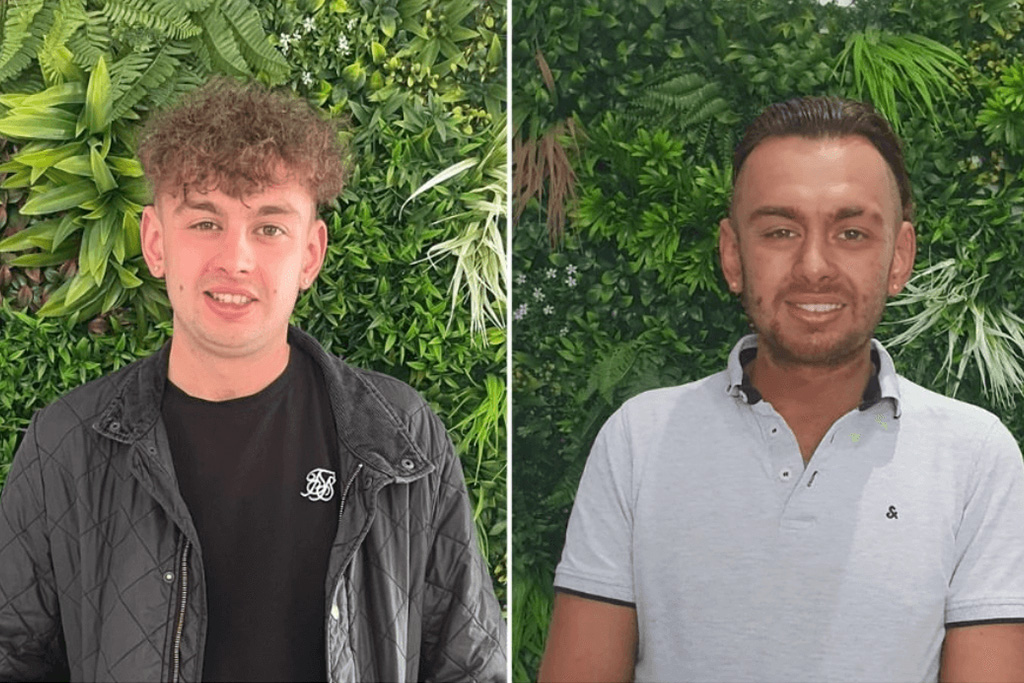
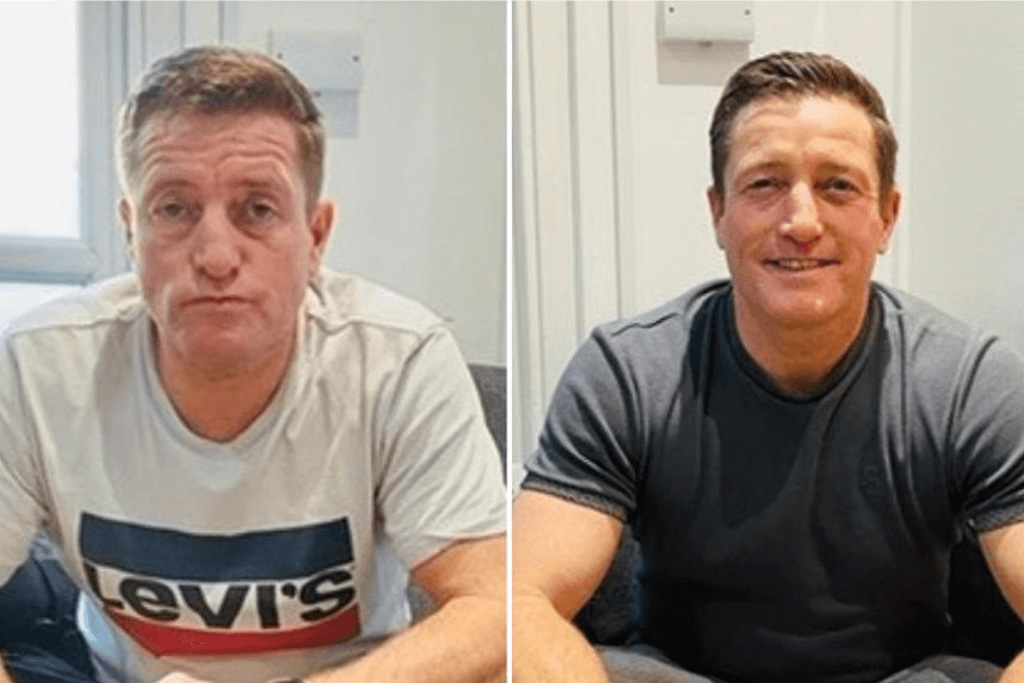
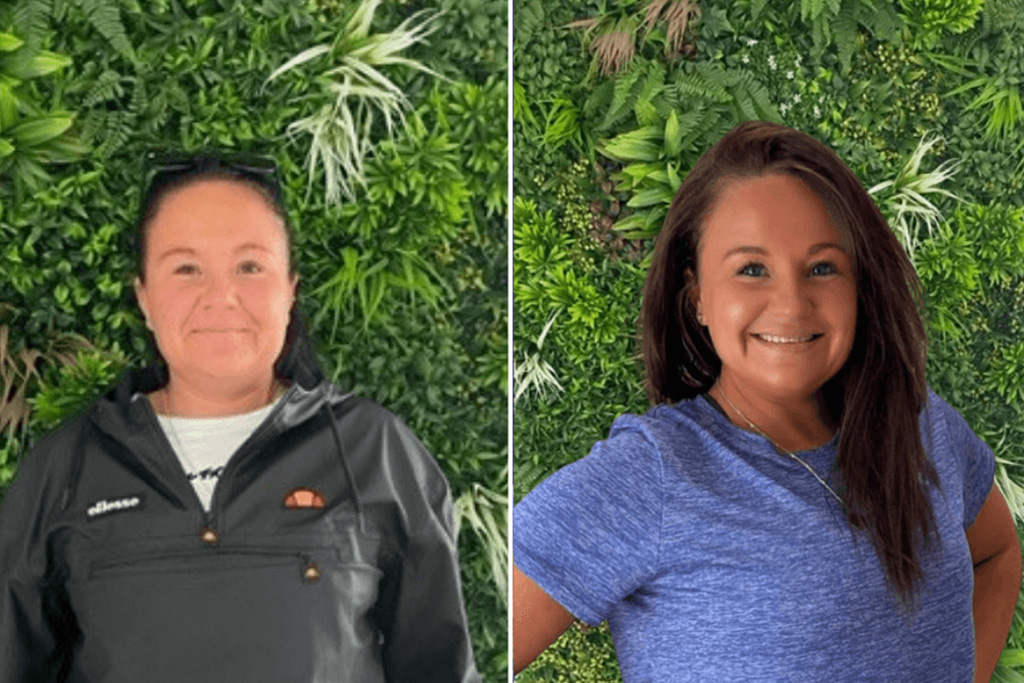
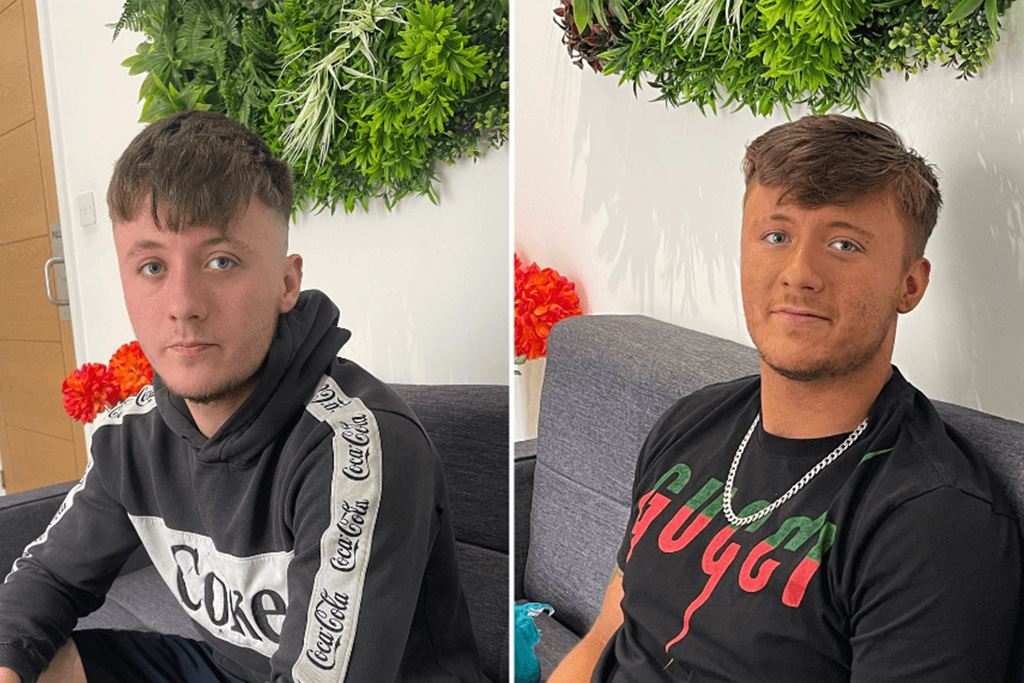
Before & After Detox.
Organising your Detox
At Acquiesce, we can organise a professional, medically-led detox for you, ensuring a hassle-free process and providing you with a seamless and fluid treatment journey.
The detox process begins with fully assessing each individual’s circumstances and needs. Once these details have been established, we can arrange the detoxification process for you.
As we mentioned previously, a detox is not necessary for all substances, but it’s important to seek professional advice regarding your recovery journey.
How long will my detox take?
Everyone is different, but we pride ourselves on working with the highest-quality detox centres in the area, so we know we can facilitate effective detoxification.
The exact time you will remain in the detox centre depends on the severity of your addiction, which will be assessed before you begin. It also depends on how your body reacts to any withdrawal symptoms. Our detox centres are all medically-led, meaning they can provide you with the best advice and medication should you need it.
For some alcohol addictions, the detox process can be as quick as seven days. For people with more complex physical and mental health issues, the process may take longer. The detox process for Opiates can take 14 – 28 days, and Benzodiazepines can take 21 – 28 days.
After successfully completing your detox process, you can join us at our excellent rehab centre in Bolton, where we use our highly effective urban recovery model, teaching you all the tools and techniques you need to live a happier and healthier life. When you stay with us, you’ll have access to 24-hour support, and you’ll always be greeted with a smile.