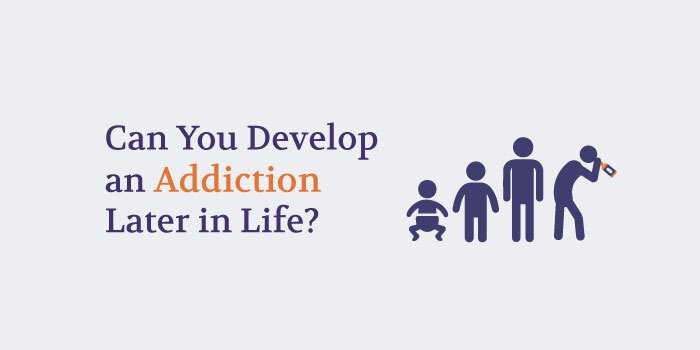

It’s well known that adults who struggle with addiction can link their plight to issues or behaviours stemming from the developmental early stages of life.
Whether direct involvement in or with the cause of addiction, or early onset trauma surrounding detrimental issues that manifest in addictive behaviours, youth is the most common backdrop in terms of the inertia of addiction.
A less explored and understood area, is the development of an addiction in later life, although less common this occurrence poses equally harmful consequences for those involved.
Risk Factors Thought To Increase Chances Of Addiction Later In Life
A myriad of factors can kick start addictive behaviours in people aged 50 or over who may have never demonstrated such behaviours previously.
These can include –
- Retirement – Although a stage in life many people look forward to and subsequently enjoy, for some retirement can represent a sense of losing one’s identity and perceived purpose in life. A job or career is something that consumes a lot of time for people, giving a sense of routine and providing a setting for security, structure, and often friendships. Even when planned, retiring can leave many with a feeling of a void in their life, which can lead to addictive behaviours, such as drug and alcohol use.
- Death of a family member, close friend, or pet – The death of somebody important can lead many to spiral into addiction due to the seemingly unfixable grief, pain and sadness the shock and mourning of a loved one can cause. Many people seek solace or relief from their devastation in addictive substances or behaviours.
- Loss of income or financial strain – This potential trigger differs from planned retirement as the shock and sudden financial impingement of being sacked, or made redundant can put a person under significant unexpected financial strain. The loss of income without warning can lead to serious personal issues and potential lifestyle changes, often forcing people to indulge into drug use or alcohol abuse.
- Relocation or re-housing in an assisted living facility – Being up rooted often causes a feeling of uncertainty and loss, a home or property can harbour many happy memories and leaving the home can create a wave of lingering negative emotion. This is especially prevalent when moving from a private residence to an assisted living facility, many older people feel a loss of dignity and independence, thus increasing their dependance on a harmful substance or behaviour.
- Decline in physical or mental health – A deterioration in a person’s health, physical or mental, is a very common cause for addiction later in life. A feeling of no control or hopelessness due to worsening of symptoms, complications arising from a convalescence period or attempts to self medicate are all triggers for the late onset of addictive behaviour.
- Conflict with family or close friends – To a person of any age, internal struggles or conflict with anybody close in life, can be a major stressor and source of anxiety. These negative feelings are only maximised for older people, many of which are extremely family-centric and often dependent on relatives. Loneliness can encroach quickly and severely, allowing for an increased risk of use or dependence upon harmful substances or behaviour.
Challenges In Identifying Later Life Addiction
Addictive behaviours can often be deliberately or coincidentally masked due to their symptoms being identifiable with mental or physical health conditions, especially prevalent in later life.
Prescription medication for example, a common part of daily life for many people can be extremely addictive and harmful if mismanaged or abused. Codeine, diazepam, alprazolam, and methylphenidate amongst others can all manifest in illicit substance use. Prescription drug abuse is often harder to detect compared to ‘street drug’ abuse due to the relative albeit controlled legality of prescription drugs. We’re here to support you with prescription drug rehab.
Dangers Of Addiction Later In Life
Of course any form of addiction to harmful substances or behaviours can present a spectrum of dangers at any age, however for people classed as being in later life addictive substances can be even more high risk. People over 65 generally have a substantially decreased ability to metabolise alcohol or drugs while having an increased brain sensitivity to these substances.
What Are The Common Signs Of Addiction?
Addiction symptoms can present themselves in a multitude of physiological and psychological symptoms, often each unique to the specific substance or behaviour that a person is addicted to. Common universal signs of addiction can include –
- Increased paranoia, anxiety or feelings of depression.
- Memory problems.
- Unexplained bruises.
- Social withdrawal or breakdown of relationships.
- Increased dependance or tolerance of detrimental substances or behaviour.
How Acquiesce Can Help
If you think you or someone you know may be suffering from an addiction, please don’t hesitate to reach out to our rehab centre for help. At Acquiesce, with different treatments available and an easy admissions process, a specific strategy is deployed with understanding and expert encouragement to give the patient the best chance of a successful recovery.
We have been granted an ‘Outstanding’ overall rating from the Care Quality Commission, and an ‘Excellent’ 5 star Google Review rating for our eclectic patient services.
Get in touch with our team today to find out how our rehabilitation programmes can help you.