
A while ago we took a look at whether Hollywood glamourises drug use within films, examining the different ways in which drug use and addiction is portrayed.
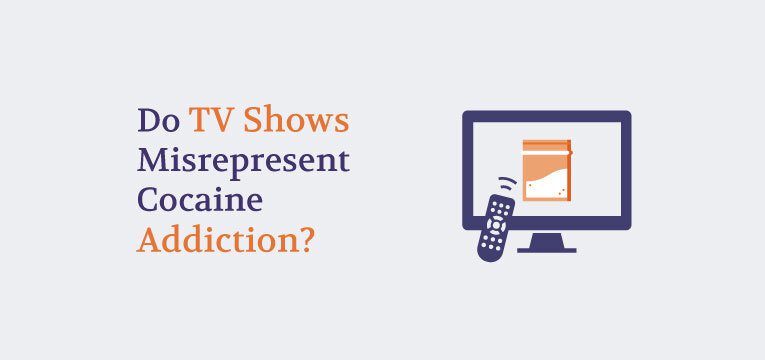
Today, we’re going to be exploring how cocaine use is represented on television and the impact it has on younger audiences.
In this article, we’re going to be looking at 2 television shows aimed at young audiences between the ages of 16-25 and how they portray drug addiction: Skins and Euphoria.
How Does Skins Represent Addiction?
Skins is a British teen comedy drama series that follows the lives of a group of teenagers in Bristol.
First aired in January 2007, the show sparked outrage among parents for its depiction of outrageous parties, casual sex and excessive drinking and drug taking, while many younger audiences felt there was finally a television show that they could relate to.
Although the show explored a range of issues such as dysfunctional families, adolescent sexuality, bullying and early menopause, there were two main topics which featured predominantly in almost every episode: mental health and substance abuse.
One of the main characters of the show, Effy Stonem, is portrayed as the ultimate ‘it’ girl with her effortless beauty and ‘I don’t give a f’*ck’ attitude. She quickly became an idol for nearly every teen girl in the early noughties and so began the Effy Stonem Cult, where girls would attempt to replicate her look, mysterious persona and wild antics.
In the show, Effy frequently partakes in binge drinking and heavy drug use. Although her friends are also doing the same, it’s clear that there is much more going on behind Effy’s cool exterior as she suffers from severe mental health issues, including depression, bi-polar disorder, anxiety and addiction.
The problem here is that many felt Skins glamourised addiction and mental health problems by only showing the sparkly highs and failing to show the ugly reality of the comedowns.
Effy is portrayed as cool, mysterious and angsty when in reality she suffers from debilitating mental health issues that fuel her addiction.
Amongst the sex, drugs, partying and heartbreak, Skins never accurately represented mental health illness. It failed to show the isolation of depression and anxiety and that friends and partners won’t always wait around for you to call the shots.
Although Effy’s mysteriousness was part of her appeal, the reality was that she rarely had something to say without screaming or crying, or that she was so high she couldn’t actually speak.
Skins also doesn’t show audiences the physical effects addiction and mental health issues have on people as Effy continues to look effortlessly beautiful throughout the entire show with her perfect hair and skin, bright eyes and lack of dark circles. We don’t get to see her real despair or the tiring nature of the depression she experiences.
One of the reasons Skins was so popular at the time is because it was the first show to reflect how teenagers actually felt inside- and they put a pretty face on top.
But instead of normalising mental health in an attempt to get rid of the stigma, Skins glamorised addiction and mental health problems and made them aspirational, which can be incredibly harmful to their young audience who are influenced far more easily.
Even now, 9 years after the last episode of Skins aired, young girls are attempting to mimic Effy’s life as the Cult of Effy Stonem has been resurrected in a new generation on the popular social media app TikTok.
How Does Euphoria Represent Addiction?
Euphoria is another teen drama television series that follows a group of high school students as they navigate love, friendships and a range of issues such as addiction, sexual assault, homophobia and transphobia.
The American series has been branded as the modern day Skins, but how does it compare when it comes to representing issues such as mental health problems and addiction?
Rue, the main character and narrator of the show, is a 17-year-old-girl with a drug addiction and depression following her father’s death three years prior.
Throughout the show, we see Rue’s battle with mental health and the different stages of her addiction. The show starts with Rue returning home from rehab with no plans to stay clean as she quickly relapses and fakes drug tests in order to trick her mother and younger sister into thinking she is ok.
This accurately highlights the strain that addiction can put on relationships and the deception that often surrounds it. This is also shown when Rue struggles to maintain friendships and a relationship with her girlfriend Jules, who she frequently lies to about her drug use.
Later on in the series, we see Rue once again trying to get help by attending Narcotics Anonymous (NA) meetings but struggling to benefit from the group due to the religious teachings- something which didn’t resonate with Rue who doesn’t believe in God. This is an accurate portrayal of how different treatments work for different people.
Unlike Skins, Euphoria doesn’t glamourise addiction and mental health issues the same way. Whilst they do show the excitement of the highs, they also depict the lows incredibly well.
When Rue has once again relapsed, we see her little sister find her overdosed in a puddle of her own vomit and the severe withdrawal symptoms she experiences when trying to get clean.
We also see the decline in Rue’s appearance and hygiene as her mental health issues and addiction progress, as she goes days without showering or brushing her hair, has poor skin and dark circles from the exhaustion of battling mental health problems and addiction.
This is a significant contrast to Skins, where Effy remains effortlessly beautiful throughout the entire show.
The way in which Euphoria shows this reality is incredibly important in teaching young people about the real effects of long term substance abuse and addiction and helping to normalise the symptoms of depression which can lead to a lack of self care and hygiene and can even make it feel impossible to walk across the room.
Unlike Skins, Euphoria doesn’t create the same allure to drug use, despite showing how great the euphoric highs can feel. Although oftentimes quite dark and exaggerated, the show is much more realistic and eye opening when it comes to addiction and mental health problems.
Support for Young Adults with an Addiction
For more information and advice on drug addiction, please don’t hesitate to get in touch with our team at Acquiesce to arrange a free, private and confidential consultation with one of our recovery practitioners. We can support you with all aspects of addiction at our rehab centre.