What Is A Co-Occurring Disorder?
If you or someone you know has had to deal with the struggles of a substance addiction or mental health issues, you may have heard the term ‘co-occurring disorder’ before. In this guide, we’ll be explaining exactly what a co-occurring disorder is and how you can receive the right kind of help.
Co-Occurring Disorders
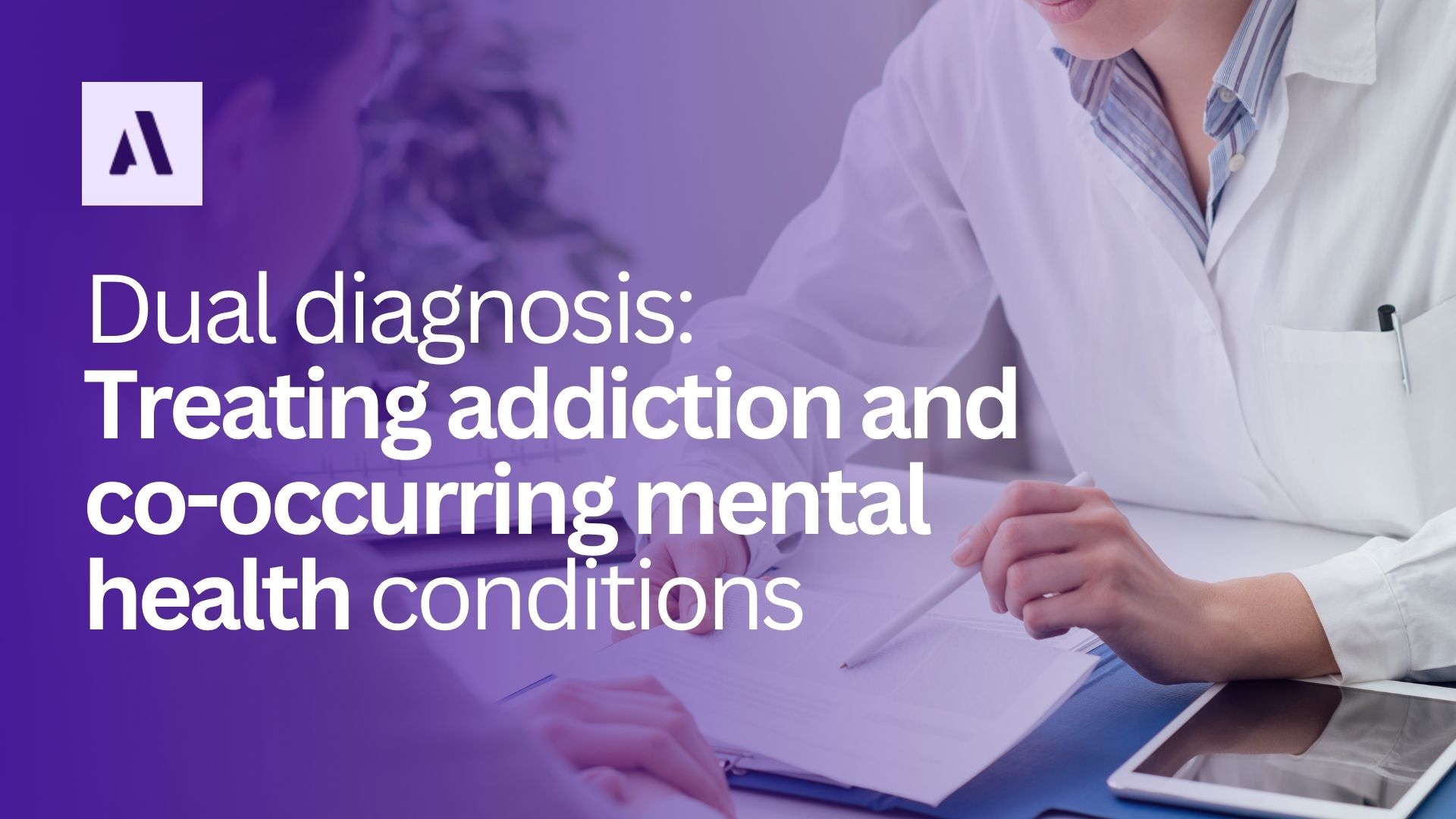
The term co-occurring disorder, sometimes called a dual diagnosis, refers to somebody who has been diagnosed with a substance use disorder as well as a mental health disorder.
Substance Use Disorder
This can refer to any addiction to or abuse of a harmful substance (including alcohol). Substance addiction can be one of the most detrimental paths a person can go down, causing not only physical deterioration of the individual, but mental and emotional degradation also.
This type of volatile and destructive illness affects a person’s brain and behaviour, creating an inability to control their use of the harmful substance or substances in question. Legal substances such as over the counter medications and alcohol can be just as detrimental to a person’s health as illegal narcotics, and can also prove easier to come by in most situations.
Symptoms of addiction or substance misuse disorder vary dependant on the type of substance being used, but common effects can include:
- Social withdrawal or self isolation
- Lying or manipulative behaviour
- Increased tolerance to a harmful substance
- Becoming physically dependant on a harmful substance (suffering withdrawal symptoms – shaking, nausea, seizures, depression, insomnia, upon stopping usage)
Mental Health Disorders
Mental health is a wide and complex spectrum of human psychology and there are many types of mental health disorders individuals can suffer from, each with unique and challenging symptoms. Some of these can include:
- Paranoia
- Confusion
- Depression
- Anxiety
Intertwining Disorders
These two separate types of disorders are often referred to as intertwining as they can be closely linked either in their inertia or prolonging/deterioration of both or either condition.
A substance addiction or misuse, even on a short term basis can quickly erode a person’s mental health due to the harmful nature and destructive side effects of the substance, this can rapidly lead to the presence of mental health issues or magnification of prior existing issues.
Alternatively, an individual who suffers from pre-existing mental health disorders may seek solace in the form of relief or escapism in harmful substances, building a tolerance and dependence on their chosen vice.
It’s extremely important to note that these separate areas of illness can quickly amalgamate into a very hard problem to tackle due to the seeping of detrimental symptoms into each part of the problem, creating a vicious cycle of physical, mental and emotional trauma for the individual affected, and their loved ones.
Both of these types of disorders can exist solely without the other due to environmental or genetic factors, but when a combination of the two are present it can lead to confusion not only in the individual but maybe even in terms of a transparent diagnosis.
Treatment
A crucial part of treatment for any type of dual diagnosis is to treat both disorders as they appear, intertwined and extremely relevant to one another.
Integrated or combination treatment plans enable the greatest chance of stabilisation, acceptance and recovery due to their expansive and considered approach. These plans can be adjusted to best fit the individual’s unique circumstances, i.e. a bespoke blend of detox, residential rehabilitation and CBT (cognitive behavioural therapy) can allow for the most comprehensive treatment of a dual diagnosis.
Treatment of only one area of a co-occurring disorder such as the mental health side of the diagnosis, may aid in minimising the struggles of that part of the problem but may not remedy the addiction side of things, especially if the physical symptoms of substance addiction are present.
All areas of the problem must be addressed to treat the patient as a whole and give them the best chance of a successful recovery.
How Acquiesce Can Help
If you think you or someone you know may be suffering from addiction or addiction related mental health issues, please don’t hesitate to reach out for help. At Acquiesce, with different treatments available and an easy admissions process, a specific strategy is deployed with understanding and expert encouragement to give the patient the best chance of a successful recovery.
Here at Acquiesce, we fully understand the need for considered aftercare; that’s why after completion of residential treatment with us, we offer ongoing help and support for no additional cost. We will keep in close contact with you for your first three months post-treatment and also provide a weekly aftercare group session for as long as you like.
We have been granted an ‘Outstanding’ overall rating from the Care Quality Commission, and an ‘Excellent’ 5 star Google Review rating for our eclectic patient services.
Get in touch with our team today to find out how our drug and alcohol rehab programme can help you.