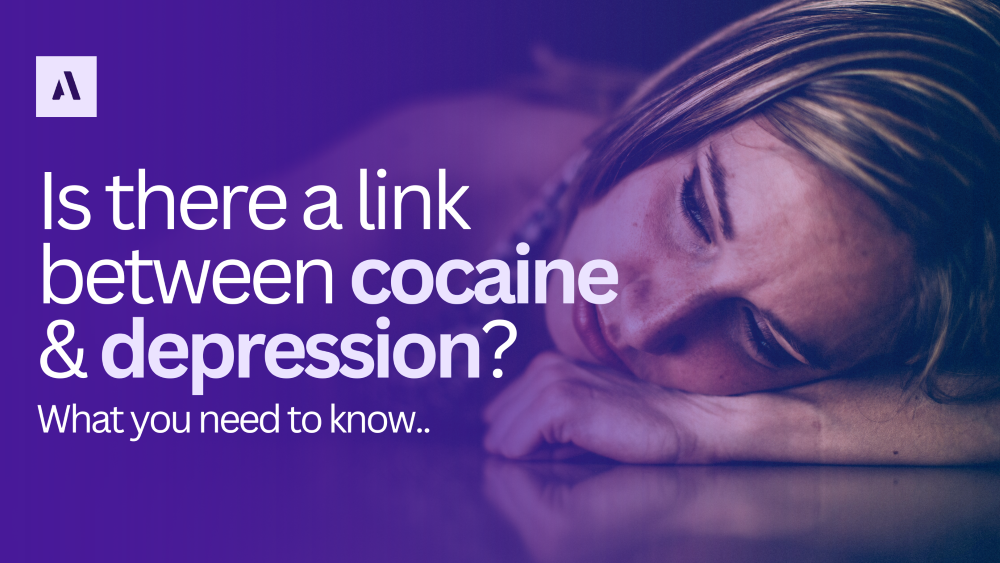

Cocaine and other drugs can have very serious consequences on both your physical and mental health. It’s vital that you keep an eye on your health and ensure you get support if you require it. In this blog, we’re looking into whether there is a link between cocaine and depression.
What is cocaine?
Cocaine is a class A drug which stimulates the brain and speeds up the rate at which messages are transferred between itself and the body.
Cocaine can come in different forms, but each will cause the same reactions in the body. One of the key differences with these forms is how quickly it affects the body. Some forms and methods of taking the drug can cause it to enter the bloodstream faster.
Cocaine is illegal in every form, and it’s crucial that you make yourself aware of any signs and symptoms of a cocaine overdose. Taking too much of any drug can have life-changing and even life-threatening consequences.
What is depression?
Depression is a well-known mental health condition that can be extremely debilitating to deal with. On average, around 1 in 6 adults in the UK experience periods of depression.
Many mental health conditions are misunderstood, and a lot of this comes as a result of people feeling like they cannot talk about their feelings out of fear of judgement and stigmas.
Depression is more than just feeling down every now and again. Depression is a very real illness that can leave people feeling extremely low for weeks or even months.
The condition affects people in many different ways, and it can also be closely linked to other mental health conditions, such as anxiety.
Symptoms of depression
As with other conditions, depression can combine both physical and mental symptoms. Here are some of the most common symptoms to look out for.
Mental symptoms:
- Frequent low mood
- Feeling hopeless
- Lack of self-esteem
- Feeling guilty
- Increased irritability
- Lack of motivation
- Struggling to make decisions
- Feeling worried
- Suicidal thoughts
Physical symptoms:
- Moving or speaking slowly
- Feeling congested or having nosebleeds
- Hyperactivity
- Feeling achy and experiencing pains
- Lack of energy and insomnia
- Low sex drive
- Struggling with sleep
- Constipation
If you are experiencing any of these depressive symptoms, it is absolutely crucial that you speak to someone.
Asking for help can be difficult, but there are many methods of treatment that may be able to help you. You may find it easier to talk to a close friend or family member first, but it’s best to speak to a healthcare professional. Your GP can provide you with support and treatment options.
When talking to a medical professional, it’s likely that symptoms of depression will be rated as mild to severe. This is identified based on how it is affecting you and your life.

Does cocaine cause depression?
Depression can begin as a result of many stressful events, but it can also be difficult to pinpoint why you might be feeling how you are. It can also begin as a result of other mental health conditions.
Research has been taking place for years regarding the link between cocaine and depression.
The brain’s chemicals play a very important role in the way we feel, and as we know, drugs can impact the chemical levels. Cocaine use affects the brain’s reward system and quickly increases dopamine levels. This leads to people feeling happier, but this only lasts for a short time before the drugs wear off.
After the drugs have worn off, the dopamine levels drop quickly, causing you to feel low. This is known as a cocaine comedown. The symptoms of a cocaine comedown are very similar to those of depression.
Long-term cocaine abuse can also have very severe consequences on the brain and change its structure.
A link between cocaine and depression can be identified when we look at the way people deal with issues in life. Many people turn to drugs and alcohol when they are feeling low, but the reality is that this can make you feel much worse and can lead to dependence on cocaine use.
It’s important to recognise that not everyone who uses cocaine will also show signs of depression. Depression can occur as a result of many things, and many factors affect the likelihood of a person developing it. For example, genetics, other mental health conditions and the amount of drug use can all play a part.
So, is there a link between cocaine use and depression? It depends on the person. It can be linked for many people, but others may show no signs of depression or other mental health disorders.
If you are worried about your cocaine usage or your mental health, it’s crucial that you seek professional advice. With both of these things, they are likely to get worse if they are not treated accordingly.
What happens if I have existing depression and decide to take cocaine?
For many people, drugs and alcohol can offer a ‘release’ from how they are feeling, which in this case, may be particularly low. However, these substances generally only offer short-term relief before they leave you feeling much worse.
It can be hard to recognise this, which is why many cocaine users will continue to take the drug, leading to substance abuse. This can lead to cocaine addiction and cocaine dependence.
Long-term cocaine use alongside depression can also make it more difficult for you to feel better. This is because cocaine can cause long-lasting changes to the brain’s chemistry, meaning that it struggles to process the correct neurotransmitters.
If you are taking antidepressant medications, you may also find that substance abuse can cause them to be ineffective.
What happens when you have depression and stop cocaine use?
If you have been dealing with depression and you have also been taking cocaine, it’s quite normal that you might be feeling a little worried about stopping the drugs. However, this is one of the best things that you can do for yourself. You may find it useful to speak to a professional who can help guide you through the process and support you with cocaine withdrawal symptoms.
If there is a link between cocaine and depression for you, then you may notice more positive effects of no longer taking the drug.
Better sleep
Cocaine addiction affects the body in many ways, one of which can be sleep. Sleep is so important for all aspects of our health and can help to improve the symptoms of mental health conditions. Sleep is vital for recovery.
Less anxiety
Substances such as alcohol and drugs can contribute heavily to feelings of anxiety, so by reducing your intake, you can definitely help yourself to feel less anxious and more at ease with everyday life. Anxiety can be a common emotion attached to many other mental health conditions, so by feeling less anxious, you may find that other symptoms are eased too.
More stability
If you are always taking drugs or consuming too much alcohol, your life might start to feel a little unstable. By reducing your intake, you can take back control of your life.
Additionally, you’ll give your brain time to process the neurotransmitters in the correct way, which means they can become more balanced, allowing your moods to be more consistent. Chemical imbalances in the brain can cause mood swings and a generally low feeling.
Cocaine abuse can also impact the brain’s pleasure reward system, which means it can make you feel less fulfilled in day-to-day life.
Feeling better
Generally, stopping the use of cocaine can have excellent results and can leave you feeling much better.
If you are experiencing depressive symptoms, it’s crucial that you speak to a medical professional who can provide you with the advice you need to feel better. There is nothing to be ashamed of, and you should feel incredibly proud of yourself for opening up and wanting to make a positive change in your life.

Treating a cocaine addiction
Without support and intervention, you may find it difficult to stop taking cocaine. This becomes more difficult if you have a higher dependence on the drug. Chronic cocaine users or cocaine addicts will require intervention.
At Acquiesce rehab centre, we work closely with you to overcome your addiction. We ensure that you receive individualised care from experienced addiction support specialists. They will work with you to create a personalised treatment plan that addresses your unique needs and challenges. The programme is designed to help you overcome your addiction and develop the skills and tools you need to maintain this in the long term.
When in recovery with Acquiesce, you will have access to a range of evidence-based therapies from our 12-step recovery and treatment program. These therapies are designed to help you understand the root causes of your addiction, develop healthy coping mechanisms, and build a strong support system. Read our blog on the role of family support in cocaine addiction recovery.
Why choose us for cocaine rehabilitation?
- Personalised treatment plans for each substance use disorder
- Holistic care
- Experts on hand for cocaine use and other substance use disorders
- Supportive environment
- Aftercare support with drug abuse
If you or someone you love is struggling with a cocaine addiction, it’s vital that you get the correct support for yourself or for them. The addiction is unlikely to get better on its own. Read our blog on personal stories of recovery from cocaine addiction.
Contact our friendly and experienced team today for more information on our support.