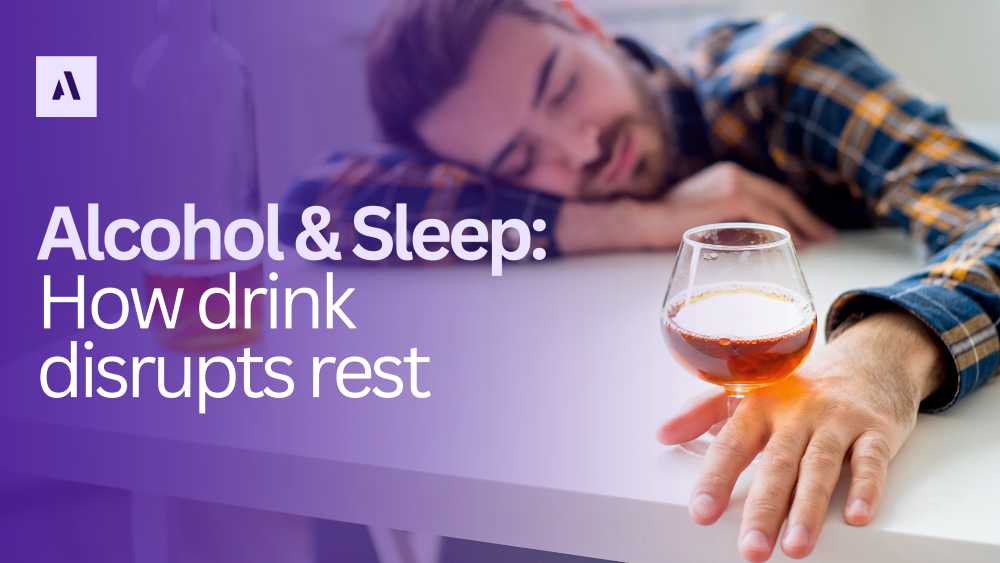

Alcohol has many effects on the body, whether that be physically or mentally. In this blog, we’re looking into alcohol and sleep: how drinking disrupts rest.
It’s common for people to feel quite tired when they drink alcohol. In the beginning, it can make people feel more awake and confident. As the drinking continues, it’s natural to become tired.
While drinking may help you to fall asleep faster, it can often lead to poor sleep. Tiredness can increase the hangover symptoms that you experience, which can make you feel even worse. Read more about how increased alcohol tolerance affects a person.
Alcohol and REM sleep
REM (rapid eye movement) sleep is one of the early stages of sleep where people dream. During this sleep, a person’s eyes move quickly behind their eyelids. REM sleep is vital for learning, memory and brain development.
REM sleep can be heavily impacted by alcohol. The reduction in REM is a result of alcohol being a depressant and, therefore, slowing brain activity, making you feel calmer and relaxing your muscles.
As a result of getting less REM sleep, many people have a REM rebound, where their body tries to catch up on the REM it has missed. Alcohol has adverse effects on all sleep stages and can cause vivid dreams. Read more about post-acute withdrawal symptoms.
Sleep disorders caused by alcohol
Alcohol can cause people to experience a range of sleep disorders, which each come with their own issues.
Insomnia
Insomnia is a sleep disorder that can negatively affect your everyday life. It can cause difficulty falling asleep and poor sleep quality. It can even disrupt your brain’s typical rhythms, which heavily impacts your sleep cycle. Alcohol affects both light and deep sleep, causing daytime sleepiness.
Sleep apnea
Sleep apnea is a condition that can cause narrowing in your airways and can stop you from breathing normally at night. When you drink alcohol, the muscles in your throat and neck become relaxed, which can lead to increased nasal congestion.
If sleep apnea is not treated correctly, it can cause a wide range of other issues, including type 2 diabetes, depression and high blood pressure. It can even increase your risk of stroke.
Why does alcohol disrupt sleep?
There are various ways that alcohol can disrupt your sleep. Not only is alcohol a known depressant, but it also acts as a stimulant, making you feel more awake when using it. It also affects the body’s circadian rhythm (body clock), impacting its ability to regulate sleep patterns.
Alcohol also impacts hormonal function within the body, altering serotonin levels and melatonin. Melatonin is the hormone that helps us to fall asleep.
When people drink alcohol during the day, they may notice changes in their urination pattern. This is because alcohol is a diuretic, meaning that it increases the production of urine, which, therefore, leaves people feeling dehydrated. This affects sleep as you may wake up in the night needing the toilet or even needing some water.
Alcohol and insomnia
Sleep is essential for our bodies and minds to function effectively. Those who do not get enough sleep may find themselves struggling to cope with stress and other common occurrences in life. Insomnia can be made much worse by alcohol consumption.
Unfortunately, some people use alcohol to help them feel more tired at night time. This can be the beginning of a vicious cycle where you end up being reliant on alcohol, leading to addiction.
Sleep deprivation and alcohol use
Severe sleep deprivation can mimic the effects of having a heightened blood alcohol concentration. This means that your body can struggle to carry out everyday tasks, and you should be extremely careful as you are at an increased risk of injury or making a mistake.
When a person is sleep-deprived, even a small amount of alcohol can have very serious consequences. Read more about grey area drinking.
Night sweats after consuming alcohol
Drinking too much alcohol can cause you to have night sweats. This is because drinking alcohol leads to increased body temperature, which can make you feel much cooler at night time. Night sweats can also indicate an alcohol withdrawal. You should be extremely careful when withdrawing from alcohol if you have an addiction. We will provide more advice on this later in the blog.
Tips for better sleep without alcohol
It’s great that you’re looking to build healthier habits around your sleep cycle. The good news is that refraining from alcohol can help you sleep better and function more efficiently in everyday life.
- Establish a bedtime routine that you can stick to
- Avoid using screens before bed
- Exercise during the day
- Avoid completing work activities in your sleep environment
- Sleep in a dark and quiet room – use earplugs and an eye mask if you need
- Avoid caffeine too late in the day
- Practice relaxation techniques
What should I do if I have an alcohol addiction?
Alcohol is one of the most common addictions in the UK. It’s vital that you get the correct support if you are struggling with alcohol addiction.
The first thing you need to do is seek advice from a rehab centre, such as Acquiesce. We have been rated ‘Outstanding’ by the CQC and can help you get your life back on track with proven rehabilitation techniques.
The exact rehabilitation programme that you will need to follow depends on the extent of your alcohol addiction. We will need to consider how much you typically drink and whether or not you have a physical reliance on alcohol. Alcohol abuse can have many negative effects on your body.
Those who have a physical reliance on alcohol will need to complete a detox before beginning the treatment plan. We work with an amazing detox clinic that will ensure that every step is completed safely and that you are supported. We’ll stay in close contact with you during the detox for your alcohol dependence.
Once the detox is complete, you can head to Acquiesce for your alcohol rehabilitation programme. We will teach you the tools and techniques to deal with your addiction. We’ll delve into your triggers and help you find effective ways to deal with them. We have helped so many individuals just like you to say goodbye to addiction and live healthier and happier lives.
If you’re ready to change your life for the better, then you need to contact our rehab centre in Bolton. This is the first step to the rest of your life. We hope this blog has been helpful on the effects of alcohol on sleep.