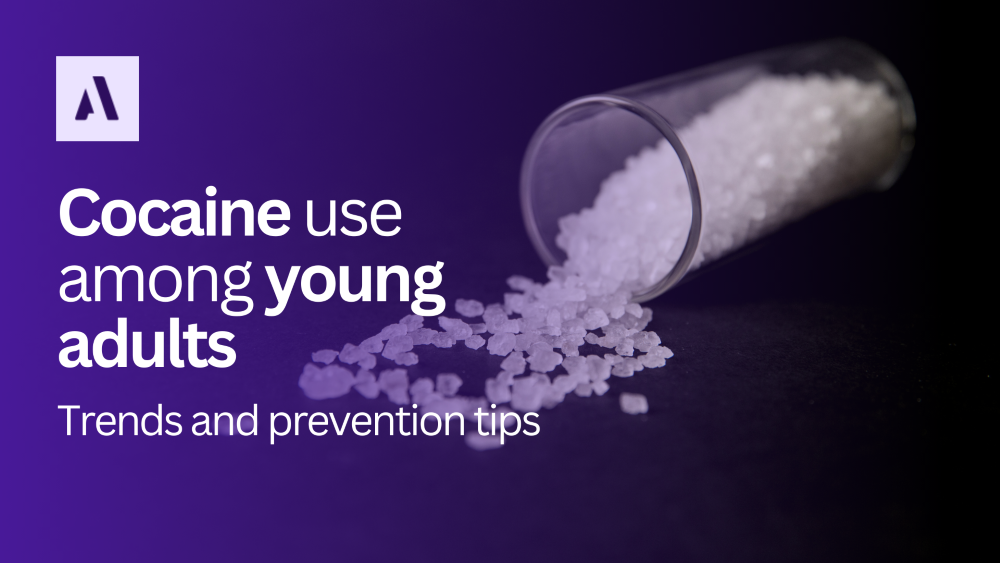

Are you looking for more information on cocaine use among young adults? In this blog, we’re sharing more information about cocaine trends and prevention tips. We’ll also share information about our expert support for cocaine addiction.
What is cocaine?
Cocaine is a highly addictive drug that can quickly take over a person’s life. It can come in many forms and is illegal. The substance works by speeding up the rate at which messages are distributed between the brain and the rest of the body. Over time, the brain chemistry can alter, which can lead to a dependence on the drug.
Cocaine comes from the leaves of the coca plant, and it can commonly be referred to as ‘cocaine’ or ‘crack cocaine’. Read our blog on the differences between cocaine and crack cocaine.
This stimulant drug can leave users with a sense of euphoria and energy, but the effects are mostly short-lived. Unfortunately, this leads to people taking more of the substance to maintain the ‘high’, which can result in addiction.
Do young people use cocaine?
According to research, 12,418 young people (under 18) were in contact with alcohol and drug services between April 2022 and March 2023. It is reported that around 9% of these young people had problems with powder cocaine use. Read our blog on the dangers of pink cocaine.
Why is the use of cocaine increasing?
Unfortunately, the use of cocaine is increasing, along with the number of reported deaths associated with the substance. Many young people begin taking drugs as they are unaware of the consequences involved.
Mental health issues, financial struggles, inequalities and dangerous drugs have been named among the reasons for some of these increases, according to the BBC. Many young people purchase drugs illegally off the streets and don’t know exactly what’s been added to them.
What are the risks of cocaine use?
There are many risks associated with taking cocaine, and these can be both physical and psychological.
Physical effects can include a rise in blood pressure, heart rate and body temperature, as well as shortness of breath and chest pains. Taking the substance can also increase the risk of strokes, heart attacks and seizures.
Psychological effects include anxiety, paranoia and depression. Cocaine heavily affects the brain’s reward system, which can make it harder to feel a sense of achievement over time, which may contribute to a low mood. Read our blog on: Does cocaine cause anxiety?
Continued drug abuse can have other consequences, such as psychological dependence, mental health conditions, poor judgment and poor performance at work. If you are worried about someone you love, it’s crucial that you help them get support. Mental health services will be able to help, but you will need rehabilitation support for a cocaine use disorder.
According to the Mental Health Foundation, 3.1% of adults in England show signs of drug dependence and these people are twice as likely to access mental health treatment than the general population. Cocaine is a commonly reported illicit stimulant in the UK.

What are the signs of cocaine addiction?
There are some common signs of cocaine addiction that you can look out for. Some of these include the following.
- Frequent colds, congestion or nosebleeds – read our blog on why do I get nosebleeds after cocaine?
- Hyperactivity
- Agitation
- Struggling to focus and concentrate on one task
- Difficulty sleeping and insomnia
- Struggling with daily tasks, such as going to work or fulfilling responsibilities
How can we prevent cocaine abuse in young people?
There are many ways that we can try to prevent cocaine abuse in young people, and here are just a couple of them.
Open the conversation
Find out how they view drugs. Unfortunately, many TV shows may glamorise drug use, which is particularly unhelpful for young people, who are still getting used to navigating the world.
Educate them on the risks of drug abuse
It’s so important to remain calm when talking to someone about the risks of drug abuse; otherwise, it can feel like a lecture. Mention things that might be important to them, such as risks involving family, jobs and more. Read our blog on the role of family support in cocaine addiction recovery.
You should also let them know about the risks of mental health issues and drug abuse. It has been found that drug abuse can exacerbate symptoms relating to mental health.
Ongoing prevention efforts for substance abuse may include talks in schools and colleges. Read our blog on the economic impact of cocaine addiction on society.
How can cocaine addiction be treated?
The most common way to treat cocaine addiction is through the use of cognitive behavioural therapy (CBT) approaches. This therapy approach teaches people different ways to change their thinking patterns, so that they can achieve better outcomes in the future.
Support for cocaine addiction
Are you, or is someone you know, struggling with cocaine addiction? Then it’s important that you get the right level of support.
At Acquiesce, we know how difficult it can be to see someone struggling and not know what you can do to help them. Thankfully, our team is experienced in cocaine addiction treatment and can help you or your loved one to get back on track.
Each individual in our care receives high-quality, personalised support from our specialists. We will look carefully at your unique needs and challenges before providing you with the tools and techniques you need to maintain long-term sobriety.
At Acquiesce, we support over 18s with cocaine rehabilitation. We pride ourselves on working closely with patients to really understand their triggers and how we can help them deal with them more effectively. Read our blog on personal stories of recovery from cocaine addiction.
Are you looking for support for yourself or someone you love? Contact our friendly team today, who will be more than happy to discuss your options.