
Long-term cocaine use can have a number of negative effects on the body, especially in areas such as the brain and heart; the two most important organs.
In this article, we’re going to be explaining some of the ways in which a cocaine addiction can affect your heart and blood pressure. Find out more about our cocaine addiction treatment.
Does Cocaine Affect Blood Pressure?
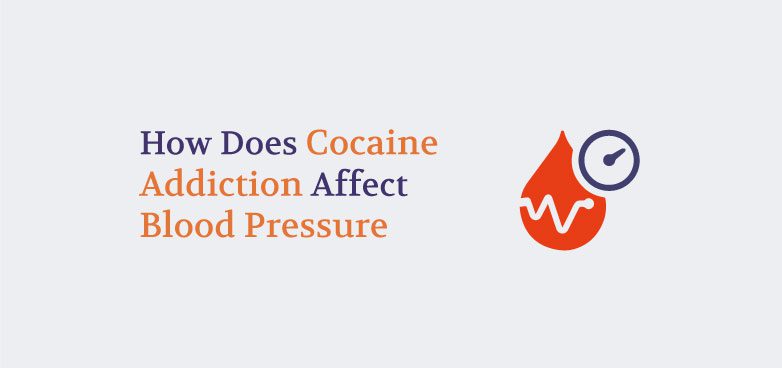
Cocaine is a stimulant drug– meaning it elevates blood pressure and heart rate whilst making an individual feel more alert and excited.
This happens when the cocaine narrows the body’s capillaries and blood vessels, putting a higher amount of pressure on the vascular system, forcing the heart to pump harder in order to move blood around the body.
Although cocaine generally only elevates blood pressure for a short time after taking it, long-term use, such as in the instance of a cocaine addiction, can potentially result in a permanently raised blood pressure.
The problem with this is that a high blood pressure increases the risk of heart attacks and developing other heart problems.
A 2014 study suggests that this risk even exists in those who only occasionally use cocaine and are otherwise young and healthy.
Does Cocaine Cause Coronary Artery Disease?
Research has found that those who take cocaine in the long-term are at an increased risk of developing coronary artery disease, a disease caused by a buildup of plaque which results in the narrowing of blood vessels.
Severe cases of coronary artery disease can lead to heart attacks, strokes and even sudden death.
Another effect of cocaine is the spasming of coronary arteries, which limits the flow of blood to the heart resulting in long-term heart damage.
Does Cocaine Cause Chest Pain?
Individuals who frequently use cocaine are more likely to experience chest pain caused by abnormalities of the heart rhythm, changes to the body’s demand for oxygen, heart attacks, artery spasms or heart infections.
Does Cocaine Cause Damage to the Heart Structure?
In a study that compared cocaine users with non-users, those who used cocaine were found to have enlarged left ventricles and increased stiffness in the aorta– a major blood vessel located within the heart. This causes narrowing in the aortic valve and puts increased pressure on the heart to pump blood across a smaller opening.
The study suggests that cocaine use can potentially cause damage to the physical structure of the heart.
Does Cocaine Cause Heart Arrhythmias?
Research into how cocaine affects heart rates found that individuals who use cocaine are more likely to have irregular heart rates. This is likely caused by the changes to sodium and potassium ion channels when cocaine is consumed, which affects the electrical system that controls the heart.
Does Cocaine Cause Heart Failure?
Individuals with a history of long-term cocaine use are more likely to develop a condition called heart failure, a chronic medical condition caused by the heart’s inability to effectively pump blood around the body. This is a long-term condition that gradually worsens over time if left untreated.
Can Damage to the Heart from Cocaine be Reversed?
If you have a cocaine addiction and are concerned about the effect it may be having on your heart and body, the good news is that there is a possibility to stop and potentially reverse the damage done with the right kind of treatment.
According to a 2017 study in the Journal of Addiction Medicine, 15 individuals who had used cocaine for around twenty years were able to reduce the plaque in their arteries by decreasing cocaine use or quitting altogether.
Get the Right Kind of Support with Cocaine Addiction Treatment at Acquiesce.
Treatment for cocaine addiction at Acquiesce begins with a free confidential consultation with one of our expert recovery practitioners who will work with you to identify your individual needs and the correct treatment pathway for you.
During our treatment, you will be in a safe environment and undergo our cocaine addiction programme. The programme helps you to understand your addiction and develop all of the necessary knowledge and tools for an ongoing sustainable recovery. Our drug rehabilitation programmes can help you to overcome addiction.
Upon completion of rehab treatment at Acquiesce, you will receive a personal and comprehensive relapse prevention plan as well as ongoing support as standard.