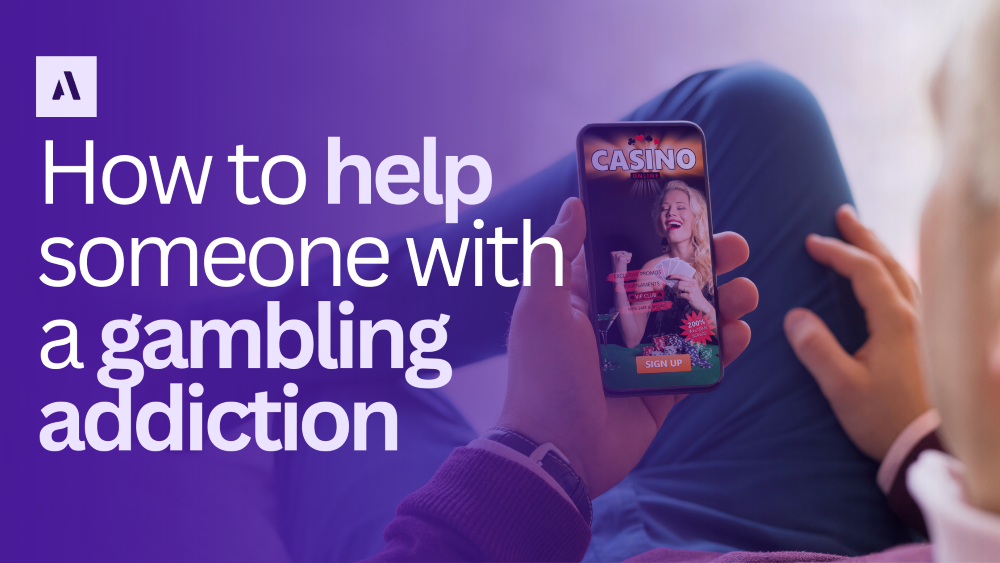

If you’re reading this blog, then it’s quite likely that you’re becoming increasingly concerned about someone you love’s addiction to gambling. We know it’s a challenging time for you right now, and we’re here to offer professional advice. We’ll let you know how to help someone with a gambling addiction.
What is gambling?
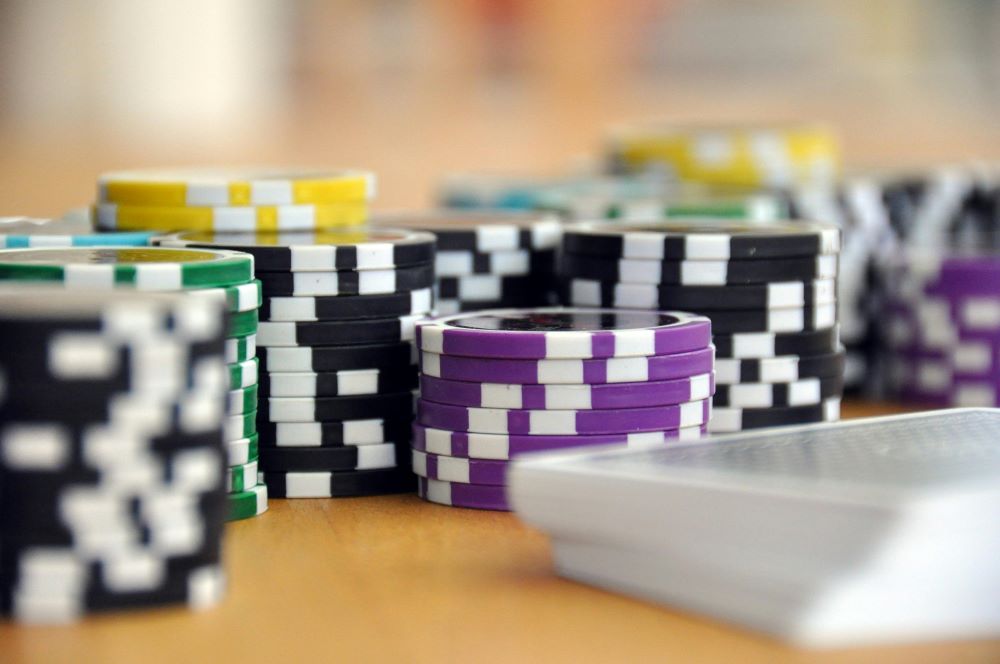
Gambling is the process of risking money or other items on chance. This means there is generally no skill involved in the process, and the result is purely down to chance.
Gambling can be completed in many ways, and it’s important to recognise these if you are worried about someone you love.
- Betting
- Gaming
- Lottery
- Stocks
For many individuals, this can involve betting on football, horses and more. The worry is that it can be quite easy for people to become addicted to gambling due to the rush of adrenaline they feel when they win.
Unfortunately, this can lead to people betting more and ending up in a poor financial situation, which affects them in many ways, from family relationships to living situations and more.
A gambling addiction is not typically measured by how much time a person spends gambling but more by their behaviours towards the action and how it affects them. This is similar to other addictions, such as alcohol and drugs.
Gambling addiction symptoms to look out for
It’s totally understandable that you’re worried about someone gambling. For some people, it can be enjoyable, but it can cause many problems for others. Here are some common gambling addiction symptoms to look out for.
- Gambling when feeling down or stressed
- Hiding gambling behaviour – you may not know the true extent of your loved one’s addiction – it’s not uncommon for a compulsive gambler to have separate bank accounts
- Gambling to cover losses
- Experiencing mood swings – usually taken out on family members
- Spending a lot of time gambling
- Financial difficulties – this may also impact the family budget
- Lying about gambling habits – this can include hiding gambling apps
- Feeling down, depressed and experiencing other mental health issues – many gamblers assume that by continuing, they are helping to relieve stress, but it actually makes it worse
- Performing poorly at work or in education
- Continuing to gamble despite recognising these signs of addiction
- Loved ones outlining their concerns regarding gambling problems
As you can see, there is a wide range of symptoms that an individual with a gambling addiction may experience. Many of these will have a knock-on effect, meaning that as one symptom arises, another one does to try and counteract the first. Gambling can very quickly turn into a serious problem for many people.
There are many risks of low mood and depression as a result of compulsive gambling habits. Unfortunately, Public Health England estimates that around 400 suicides are related to gambling every single year.
We understand how difficult it is to manage your worries about your loved one who may be experiencing a problem. You are doing the right thing by researching and seeking advice on the topic. The earlier the problem is caught, the easier it will be to manage, and your loved one can live a happy life that’s free from addiction.

What are the effects of gambling addiction?
There are many serious effects of a gambling addiction, and every person is different. In addition to the mental side effects of low mood and depression, some of these effects can include the following.
Financial problems
Many people who gamble experience financial problems. You may find that they begin asking for money from you or other people for costs such as rent or bills. Of course, you or someone else may not be able to afford this, which can lead to further problems.
Becoming homeless
Leading on from the above, if someone cannot afford their rent and bills, they may find themselves homeless. Not only can this cause more stress and depression, but it can also lead to other losses, such as jobs or the breakdowns of relationships.
Having no job
Gambling can lead to poor performance at work for many reasons. If this happens, you may end up being sacked, which again can lead to further problems, such as homelessness.
Broken relationships
Unfortunately, many people who gamble find themselves with broken relationships with family and friends. This can be distressing and can contribute to low mood.
As you can see, when it comes to gambling, each problem directly impacts the others. That’s why dealing with the problem as soon as possible is very important.
Other gambling effects can include the following.
- Suicidal thoughts
- Sleep deprivation
- Weight loss or gain for no other reason
- Acne or pale skin
- Isolation
How to help a gambling addict
It’s great that you want to do what you can to help your loved one, whether they are your partner, child, friend or family member. Here’s how to talk to someone with a gambling habit.
Start a conversation
Starting the conversation and outlining your worries is the best first step. Be aware that the individual may not be ready to talk to you about their addiction. Remember that many people with addiction have feelings of distress, guilt, shame and more. Let them talk to you at their own pace and when they are ready.
It can be very difficult to talk to someone about your concerns, so make sure that you look after your own well-being too.
Be supportive
Of course, you want the best for the person you are talking to, but they might not see it like that straight away. Try your best to think about your word choice carefully and avoid saying things that may come across as judgemental. In time, they too will recognise that you’re trying to help them. You may also find it helpful to suggest support groups. These groups have the knowledge and skills to support compulsive gamblers.
Be honest with them about the gambling problem
This can be tricky, but you may find that the person does not actually realise the consequences that their actions can have. If you’ve caught the addiction before any serious problems have occurred, then it might be useful to share some case studies of others who have experienced the negative effects of gambling.
If issues have already started to occur in their lives, you can outline that gambling could be the cause and that it doesn’t have to be this way.
Be patient
The first time you speak to your loved one, it might feel like you haven’t got very far, but you will have. Even just being honest and bringing the problem to their attention can be extremely helpful. Even if you didn’t manage to chat with them in detail today, you’ve given them something to think about. You might find that they contact you again in a few days to discuss it further.
Suggest other activities
Many gambling addicts struggle because it becomes such a huge part of their lives. With this in mind, it can easily take over from other activities and hobbies that they previously enjoyed. If you notice this, why not encourage them to do something they previously liked? Perhaps you could even join them. This can be useful as it helps them to recognise that other things can make them happy, and not just gambling.
Professional support for compulsive gambling
Professional support can be very effective for gambling addictions. This support may include therapy and behavioural techniques to help people manage their emotions better and understand what is causing them to partake in the unhelpful behaviour. At this stage, it’s a good idea to share evidence with the person in the form of success stories. This can give them hope and reduce feelings of shame and guilt, which may lead to them being more open to professional help or self-help groups.

What is the most common treatment for a gambling addiction?
Due to gambling being a behavioural addiction with mental side effects, the best way to manage it is to learn ways to change the behaviour. The most common method is Cognitive Behavioural Therapy (CBT).
At Acquiesce, we use cognitive behavioural techniques within our gambling rehab programme to help individuals change their difficult emotions and actions towards the problem of compulsive gambling.
Our gambling addiction team is dedicated to delivering professional recovery. It’s normal for people to feel as if their life is spiralling out of control when it comes to addiction, which can be tricky to deal with in itself. We approach these feelings with psychological intervention alongside friendly and professional support.
If you’re concerned about a loved one’s gambling addiction, it’s crucial that you seek advice and encourage them to. Gambling addictions do not tend to improve unless they are treated with professional support.
At Acquiesce, we will work closely with the individual to determine the most appropriate course of treatment. Our rehabilitation centre is rated ‘Outstanding’ by the CQC and has a much higher success rate (98%) than the national average of 60-70%.
We hope this blog has been useful regarding how to help someone with a gambling addiction. Contact our friendly team today for professional, confidential support and guidance.