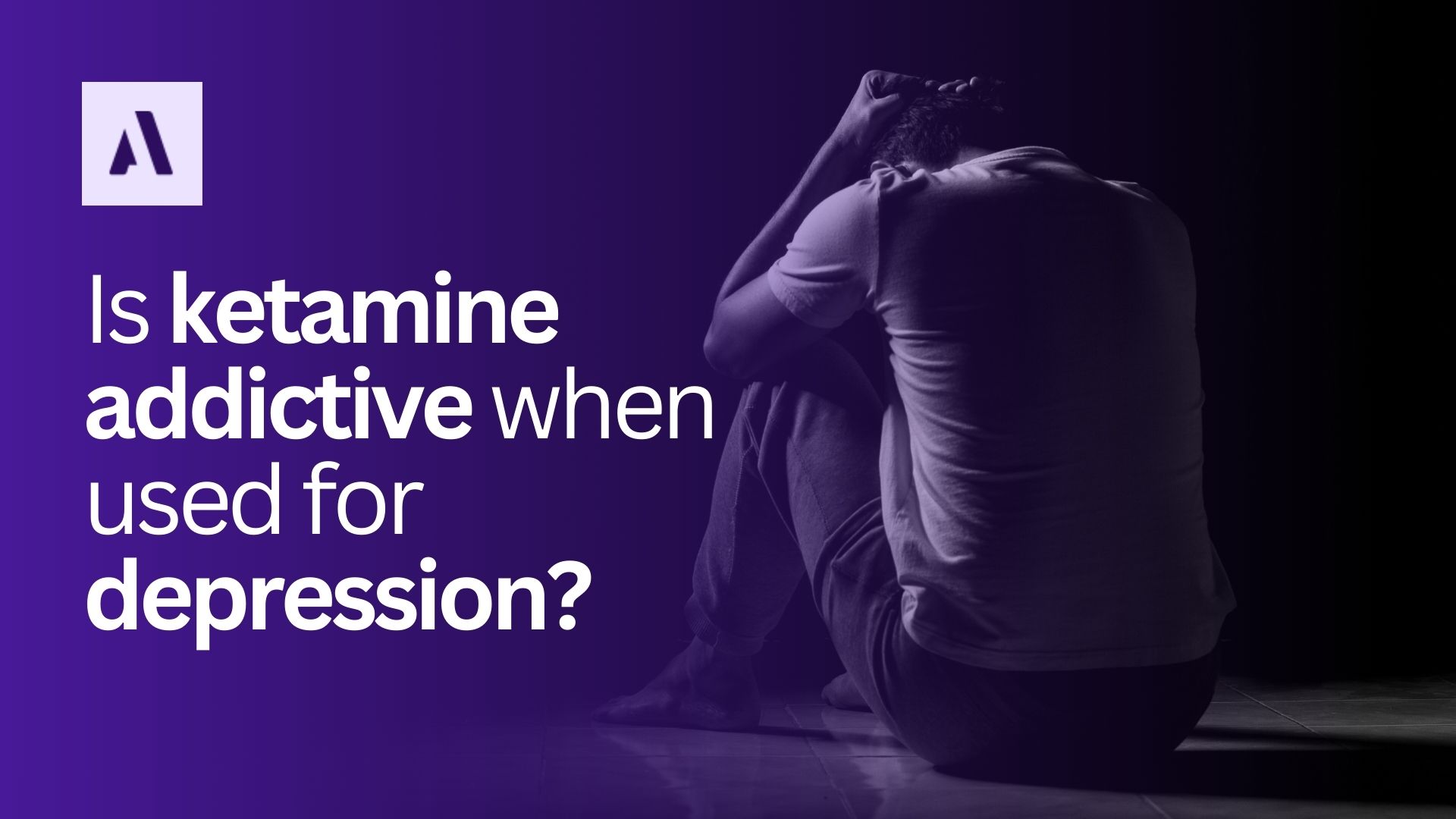

Ketamine is a controlled drug in the UK. It is illegal to possess without a prescription, but it is legally used in medical settings. In this blog, we’re answering the question, is ketamine addictive when used for depression?
While ketamine has emerging medical uses, it also carries serious risks, including dependence and long-term physical harm.
As an addiction treatment provider, we frequently see how substances with legitimate medical uses can still lead to psychological and physical dependence when misused.
What is ketamine?
Ketamine is a Class B drug, which is known for its dissociative effects. It is commonly used as part of general anaesthesia for both animals and humans. In addition to making humans dissociate, it can also have hallucinogenic effects.
Ketamine may be called different names, with ket being the most common. In recreational settings, it is most commonly snorted in powder form, though it may also be swallowed.
People often take the drug to feel more relaxed and calm, but these effects quickly wear off. Many people continue taking the drug after this to continue feeling the effects. Repeated use can increase the risk of psychological dependence and addiction.
What conditions can ketamine be used for?
Ketamine is frequently used under medical supervision to treat a wide range of conditions. Here are some of the most common conditions where ketamine may be used to aid treatment.
- Depression
- Neuropathy
- Complex regional pain syndrome
Ketamine works in different ways depending on the condition it is being used to help. However, generally, it blocks the NMDA receptor, a glutamate receptor, in the brain and spinal cord.
Unlike some other treatment options, which can take longer to work, ketamine can begin taking effect within hours or days in some individuals.
How does ketamine therapy work for depression?
Low-dose ketamine can be used to treat treatment-resistant depression by causing a surge in glutamate. This surge leads to a range of actions which can be helpful in the treatment of depression, including the following.
- Increased BDNF
- Formation of new synaptic connections
- Changes in brain pathways linked to mood regulation
- Reduced rumination and suicidal thinking
Antidepressants can take weeks or even months to begin taking effect, whereas ketamine may produce effects within hours or days in medical settings. However, these effects may be temporary, and repeat treatment may be required. Long-term safety data is still developing.
Ketamine for depression must be prescribed by a specialist and taken under close supervision. It may be used alongside typical antidepressants. Prescribers must follow a structured clinical schedule for giving out the drug, and the individual’s blood pressure and heart rate are closely monitored during treatment.
Medically supervised ketamine may be considered for individuals living with severe, treatment-resistant depression, particularly where there are concerns about suicidal thoughts. Some individuals may experience some mild side effects, such as nausea, increased blood pressure, dizziness and other effects.
In the UK, ketamine for depression is typically offered in specialist clinics, often for individuals who have not responded to standard antidepressant treatments.
However, individuals living with depression may already be vulnerable to substance misuse, particularly when seeking fast relief from emotional pain.
Is ketamine addictive when used for depression?
When used at low, clinically supervised doses, the risk of developing addiction appears lower than in recreational use. However, ketamine still affects the brain’s reward pathways, and psychological reliance can develop over time.
It is worth noting that tolerance can develop in some people even in medically supervised cases, and repeated exposure to the drug can increase the risk of psychological reliance.
Some individuals may also experience cravings, low mood, or increased anxiety between treatments.
Those taking ketamine recreationally, particularly at higher doses or more frequently, are at greater risk of developing dependence. Addiction can be difficult to deal with for the person involved and for their loved ones. It’s really important to seek professional advice as soon as possible if you are concerned about your own addiction or someone else’s. You should also seek medical support if you are worried about any mental health disorders.
Clinical considerations for ketamine treatment
Ketamine has been researched in clinical trials as a treatment for depression since the early 2000s. While studies show potential benefits for some individuals, long-term safety data is still developing.
Here are just some of the reasons why a medical professional may suggest using ketamine for depression.
- May reduce depressive symptoms in some individuals – Ketamine appears to promote rapid changes in brain connectivity and neurotransmitter activity associated with mood regulation.
- Evidence of benefit in some cases – Clinical trials have shown ketamine to be effective in many people with treatment-resistant depression.
- May lead to a reduction of suicidal thoughts for mental health conditions
However, improvements may be short-lived in some individuals, and repeated exposure may increase safety and dependency concerns.
It is also worth noting that ketamine is not the first line of treatment for individuals, and medical professionals will not provide the drug to everyone for depression treatment. It should never be viewed as a quick solution to complex mental health conditions.
Long-term risks of using ketamine
Ketamine can lead to some serious long-term risks, including the following.
- Ketamine-induced bladder damage (ulcerative cystitis) – read our blog on ketamine bladder treatment.
- Kidney complications
- Memory and cognitive impairment
- Mood instability with prolonged use
- Social withdrawal
- Financial strain
- Relationship breakdown
- Impact on employment
Ketamine addiction support
If you or someone you know is struggling with ketamine addiction, you are not alone. This drug can become highly addictive, which is why early intervention is crucial. The effects of ketamine can impact a person both physically and mentally, but it can be overcome with the correct treatment and support.
Treatment can include a combination of therapy and counselling, allowing the individual to learn effective ways to deal with triggers, rather than turning to the drug.
At Acquiesce Rehab Centre in Bolton, we provide a holistic approach to recovery, treating the whole person rather than the addiction alone. We also provide individualised treatment plans, helping you reach your unique goals.
Individuals can benefit from our supportive community, which can help overcome feelings of isolation. We pride ourselves on building strong communities and support systems.
Do you need support with ketamine addiction? Then you should contact our admissions team. Our private rehab centre provides structured, evidence-based treatment in a safe and supportive environment. We can also support individuals suffering with other substance use and addictions.
Using ketamine outside medical supervision significantly increases the risk of addiction, physical harm, and long-term complications. Without early intervention, ketamine misuse can escalate into dependency, long-term physical damage, and worsening mental health symptoms.