Alcohol is a substance that can cause some pretty rough withdrawal symptoms. In this blog, we’re answering the question, why am I shaking after drinking?
We’ll let you know what happens to the body when you drink alcohol and how it can lead to physical dependence. We’ll also share how to recognise if your drinking is a problem and how we can help.
What happens to the body when you drink alcohol?
Alcohol is a depressant that affects the body both mentally and physically.
Brain
Some people find that alcohol can help them relax and feel more at ease. However, this is not a long-lasting effect. After drinking, many people often feel increased anxiety, which can lead to them feeling much worse than before drinking.
This can become a vicious cycle for some people who continue drinking in order to feel this sense of calm. In a similar way to drugs, alcohol affects the brain and its chemical balance. This can lead to the central nervous system becoming hyperactive and even a physical dependence on alcohol.
Liver
The liver is responsible for breaking down alcohol and other toxins. When the liver has worked too hard over a period of time due to chronic alcohol consumption, it can struggle to create new cells. This means that increased alcohol use for too long can lead to issues such as liver disease. Read our blog on alcohol-induced liver damage.
Metabolism
Alcohol can affect the metabolism, which may lead to low blood sugar levels, a common cause of alcohol shakes. It can also lead to you having muscle weakness and experiencing mood swings.
Alcohol also affects hormones, which can lead to changes in blood pressure and mood.
If you find that you are drinking most of the time on most days of the week, you aren’t giving your body time to recover and balance itself. Unfortunately, alcoholism can come on quickly without you even noticing, and it can cause serious health issues.
What are alcohol shakes?
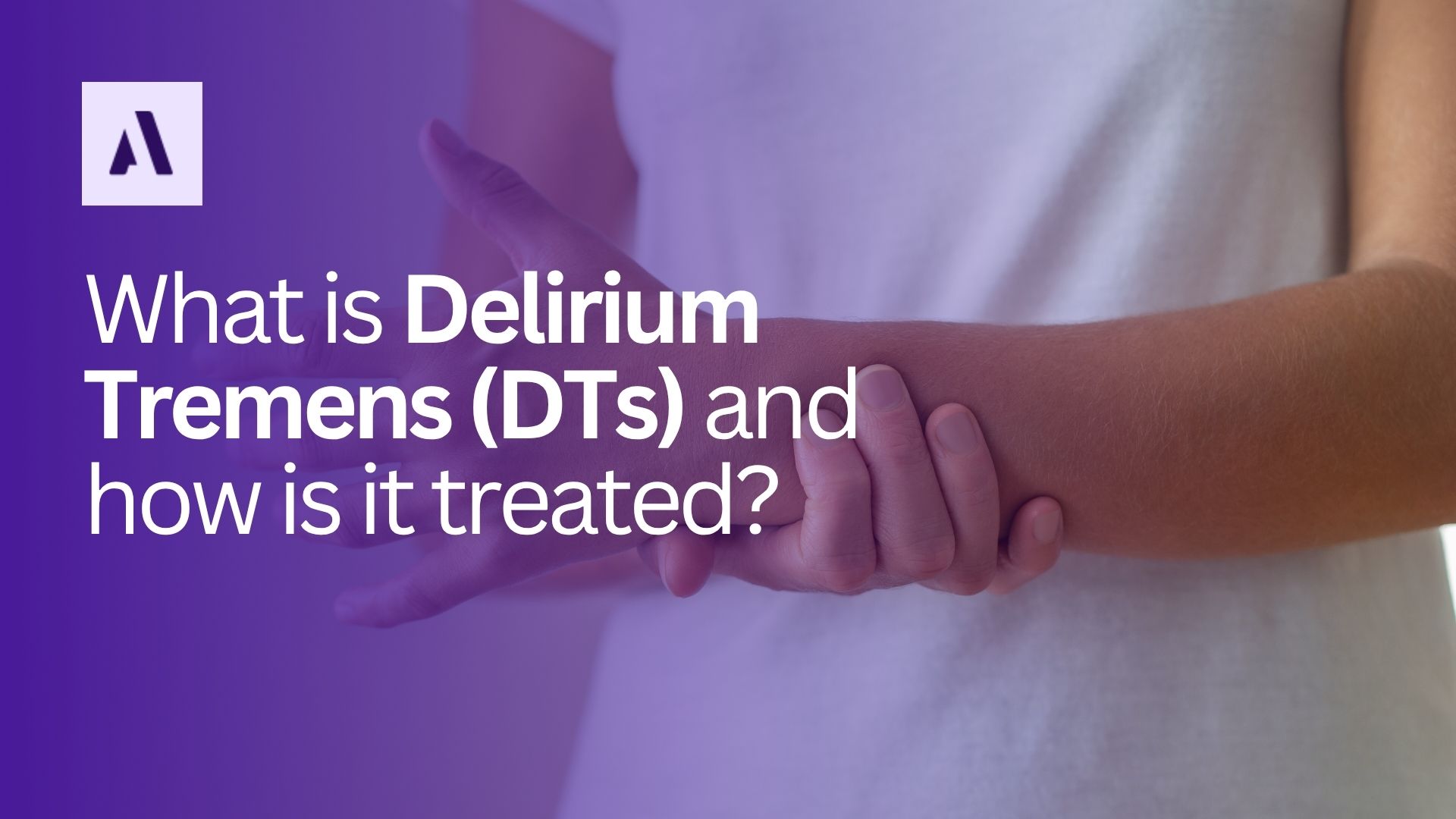
Alcohol shakes are tremors which typically occur in the hands. Severe shakes are often referred to as delirium tremors/tremens, and they can be an indication of a physical dependence on alcohol.
For some people, these shakes may affect other areas of the body, such as the head, eyes and arms.
Someone who is experiencing delirium tremors may have many symptoms of withdrawal, and in some cases, they can be fatal.
It’s important to seek medical advice as soon as possible if you or someone you know is experiencing delirium tremors or showing any serious side effects of drinking too much alcohol or having withdrawals.
When there is a physical dependence, medical intervention is necessary, which can be in the form of detoxification.
You might be wondering, ‘Why do alcoholics shake?’ but the answer is that you don’t have to be an ‘alcoholic’ to experience withdrawal symptoms from alcohol. If you are worried that your drinking habits are a problem, then you should seek medical support. Read our blog on delirium tremens.

Other signs of alcohol withdrawal
After excessive alcohol consumption, you might experience these alcohol withdrawal symptoms.
- Increased sweating
- Nausea
- Feeling depressed or anxious
- Feeling irritated
- Feeling confused
- Struggling to sleep despite feeling tired – read our blog on alcohol and sleep.
- Hallucinations
- Seizures
Some of these withdrawal symptoms are more common than others, but it’s important to be aware of them so that you can understand your drinking patterns and how alcohol affects you. You should seek medical treatment if shakes or other withdrawal symptoms become worse.
If you believe that you may be physically dependent on alcohol, then you need to seek professional medical advice. It would not be recommended that you cut out alcohol altogether, as this could cause fatal withdrawal symptoms. Instead, you are likely to be advised to maintain a level of use before beginning a detox alongside a professional.
Is my drinking a problem?
Drinking too much regularly is not good for your health and well-being. Similarly, binge drinking is also not good for you.
There is no real set scale for knowing if your drinking is a problem. Instead, it’s mainly about your drinking habits and behaviours towards it.
If you have unhealthy drinking habits, you might notice it in yourself, or someone else may notice it in you. They may wish to talk to you about it to help you make better choices. It’s important to be honest with yourself and with the people around you; otherwise, things can become quite dangerous.
I need help with my drinking
Admitting that you need help with your drinking habits is the first step to a better life. It can be tricky but so worthwhile. Read our blog on how to seek help when struggling with addiction.
If you are struggling with an immediate medical emergency, then it is absolutely vital that you seek professional support. Once the immediate risks have been rectified, you can start looking into more long-term support.
When it comes to alcohol dependence, detoxification is the most suitable step. However, you should do this alongside a professional for the best results and for it to be completed safely. This is a form of medical intervention to help start the process for long-term support.
At Acquiesce, we can organise a detox for you. During this time, we will remain in touch and ready to answer any questions you have. After this, we will invite you to our rehab centre.
Risk factors of stopping alcohol alone
There are many risk factors for quitting alcohol by yourself. It is not a good idea to stop drinking alone as many of these can become severe alcohol withdrawal symptoms. Quitting alone with an alcohol dependence can also be fatal. Only follow advice from a medical professional.
- Increased alcohol tremors
- Anxiety
- Sickness
- Confusion
- Insomnia
- Sweating
- Increased heart rate
- Hallucinations
- Seizures
- Irritability
How can we help
Once you have been transferred to our rehab centre in Bolton, we will support you through our comprehensive treatment programme, which involves a combination of therapies and support groups. The goal of alcohol rehab is to help individuals overcome their addiction, learn how to manage their cravings and develop the skills necessary to maintain sobriety.
We pride ourselves on providing a safe and supportive environment to all. During the alcohol rehab process, individuals will work with a team of experienced professionals, including therapists and support staff. They will receive individualised care and attention, as well as access to a range of therapies and treatments, including:
- Cognitive-Behavioural Approaches
- Motivational Interviewing
- 12-Step Programmes
- Group Therapy
- Family Support
Our alcohol rehab programmes are designed to be flexible and adaptable so that each individual can receive the care and support they need to overcome their addiction.
Are you looking for support for yourself or a loved one regarding alcohol addiction? At Acquiesce, we have a proven track record and have been rated ‘Outstanding’ by the CQC. When you choose to work with us, you can rest assured that you’re in safe hands and will be cared for at every stage of the journey.
We have immediate availability for alcohol rehabilitation and are ready to help you live a life of happiness and freedom. Contact us today to start your journey.