Drugs can have very serious consequences for the people taking them and they often stay in the system for longer than people might expect. In this blog, we’re answering the question, how long does ketamine stay in your system?
If you are concerned about yourself or someone you know and their ketamine use, then it’s vital that you seek professional help. The outcome of an addiction will be much more positive if you seek advice early. It is unlikely to get better on its own.
What is ketamine?
Ketamine is a dissociative drug that has been around for more than 60 years. When it was first created, it was commonly used as an anaesthetic for animals. Since it has developed, it may now be used as a human anaesthetic. In some cases, it can be used for pain relief and even to treat certain mental health conditions such as depression.
This class B drug is only safe to be used when administered or prescribed by a medical professional.
More recently, people have been using ketamine/ket illegally. Due to being a dissociative drug, people often experience feelings of separation and detachment from their bodies and environment. It’s common for people to experience different thought patterns and emotions when taking the drug illegally.
Ketamine is usually sold as a white powder, but it can also come in pill form or be dissolved in liquid.
How is the body affected by ketamine?
Everyone is affected differently by drugs, so it’s important not to compare yourself to others. Just because someone else is fine does not mean that you will be too. Many factors can affect the way your body reacts, including weight, height, amount taken, drug strength, other drug consumption and how often you take the drug.
Those who take the recreational drug often may be less likely to feel the effects, which often leads to them taking more. This causes you to feel psychologically reliant on it, leading to addiction.
Ketamine users are likely to feel effects such as these.
- Feeling detached
- Feeling happy and relaxed
- Decreased sensitivity to pain
- Hallucinations
- Increased heart rate and high blood pressure
- Feeling drowsy
- Feeling confused
- Slurring words
- Increased anxiety and panic
- Vomiting
It’s very important to be aware of these side effects and also the signs of a ketamine overdose. Many factors affect how your body handles drug use on any day. Read our blog on the dangers of ketamine abuse.
Can you get addicted to ketamine?
Yes, you can become addicted to ketamine. Common addictions that we treat include the following:
- Alcohol addiction
- Ketamine addiction
- Cannabis addiction
- Heroin addiction
- Gambling addiction
- Cocaine addiction
- Prescription drug addiction
How long does it take for ketamine to wear off?
The method of taking ketamine alters how long it takes to have an impact on a person. For example, if it is snorted, it can take 5 – 15 minutes. When swallowed, it can take 30 minutes, but when injected, it can take as little as 60 seconds.
Regardless of the way a person takes the drug, its effects last for the same time. Ketamine has a half-life of around 2.5 to 3 hours, which means half the active substance will have left the body by then. However, it is common for people to have poor coordination and reduced senses for around 24 hours.
Unfortunately, after this time, many people decide to take more of the substance to maintain the ‘high’ or other emotions they are feeling. This can very quickly lead to addiction, which can be difficult to treat. Read our blog on the dangers and effects of mixing ketamine and alcohol.
How long does ketamine stay in your system?
As with anything that enters our bodies, it needs to be processed. When ketamine is processed, it is broken down into by-products called metabolites. While the initial ketamine substance leaves the body quickly, these metabolites stay around for longer.
The exact time that ketamine stays in your system depends on various factors.
- Age
- Hydration levels
- Amount of drug taken and how often
- Body mass index (BMI)
- Genetics
- Liver and kidney function
- Metabolism
There are various reasons why all of these factors can impact the time it takes for metabolites to leave the body. Everyone is different, so there is no real way of knowing how long ketamine will stay in the system.
Can you be tested for ketamine use?
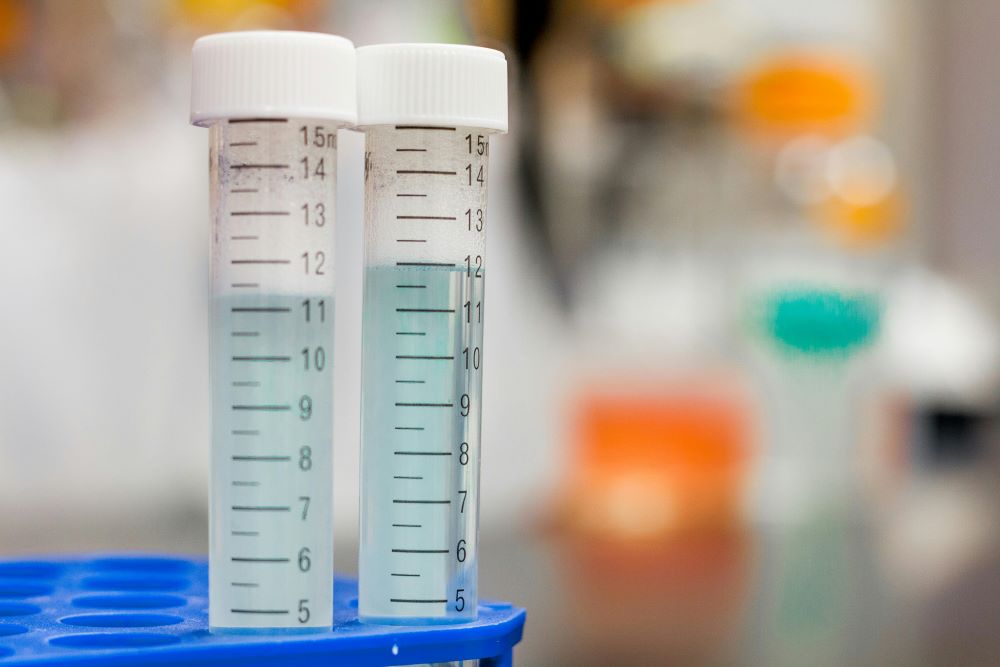
There are various tests that can be used to detect ketamine in the body. Some of them may be effective for longer periods. Common methods for ketamine drug testing include the following.
- Urine drug test – detected anywhere between a few days and a few weeks
- Saliva drug test – detected for up to two days
- Hair follicle drug test – detected for up to 90 days
Blood tests may also be used as a drug test, but these are less common compared to a urine, saliva or hair test. Read more about what ketamine does to your brain and body.
What are the dangers of long-term ketamine use?
As with all drugs, there are many long-term effects to be aware of. Many of these risks can be life-changing and even life-threatening.
- Flashbacks
- Depression
- Poor memory and concentration
- Poor sense of smell
- Abnormal liver or kidney function
- Abdominal pain
- Psychological dependence on ketamine
- Problems in other areas of your life
Ketamine bladder syndrome
Ketamine has been found to have serious consequences on the bladder. This syndrome occurs when the bladder becomes inflamed and irritated due to the breakdown products of ketamine. Tests may need to be performed to determine the severity of the issue, but it can often result in the need for major surgery. The only way to reduce the risks of this occurring is to stop taking ketamine. Read about ketamine bladder treatment.
Ketamine and mental health
Ketamine can only benefit mental health when it is prescribed by a medical professional. When the drug is bought illegally, it can lead to poor mood changes and symptoms of depression. If you already experience signs of a mental health condition, then the drug may exacerbate them. You should speak to someone if you are experiencing poor mental health.
How do I know if I have a ketamine addiction?
Addiction can be tricky to spot, and you may find that it’s actually the people around you who bring it up. Here are some signs to look out for in yourself or someone else.
- Increased tolerance to the drug
- Withdrawal symptoms when not using the drug
- Using ketamine in dangerous situations
- Neglecting your responsibilities to use ketamine
- Continued use despite recognising issues in other aspects of life
How we can help with a ketamine addiction
While it might feel like nothing can help, that’s not true. With the right support, you can overcome your ketamine addiction. At Acquiesce, we use therapy techniques to help you develop healthy habits for a better life.
We tailor our drug addiction support to meet the needs of each patient and will be with you every step of the way.
We hope this blog has been helpful regarding how long ketamine stays in the body. Are you ready to turn your life around? Our rehab centre in Bolton has been rated ‘Outstanding’ by the CQC. Contact us today to see how we can help.
We were recently interviewed by ITV about the rise in adults starting treatment for ketamine addictions.