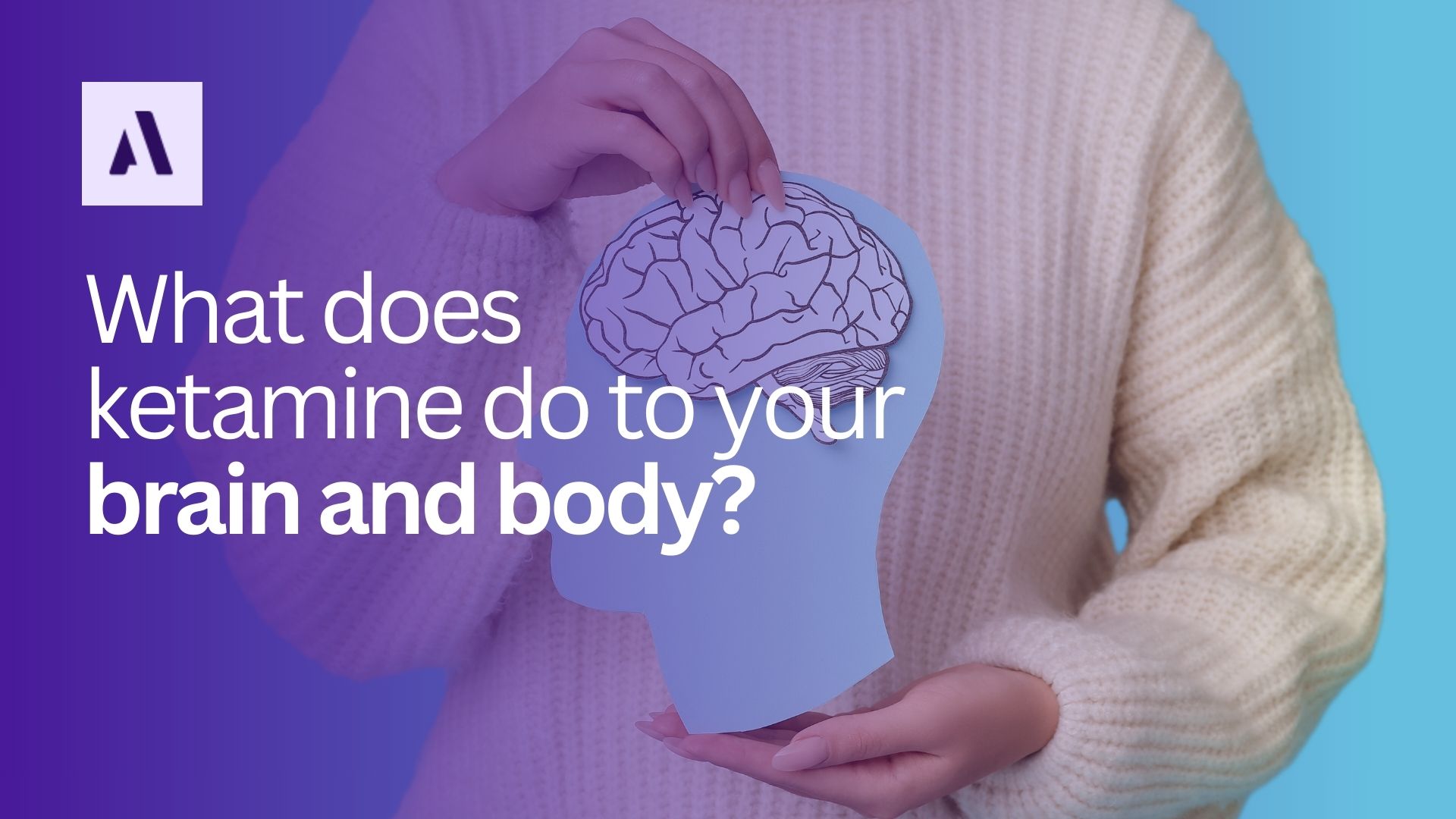

Ketamine is a class B drug that has many impacts on the body. In this blog, we’re answering the question, what does ketamine do to your brain and body?
Ketamine use
Ketamine is known as a dissociative drug, and it was previously used as a general anaesthetic for animals and humans.
It is also an illegal drug that can cause dissociation, hallucinations and altered perception.
From a medical perspective, the drug can be used to relax animals and humans, help with pain management and may be used to support treatment for other conditions.
In an illegal sense, the drug can often be referred to as ‘ket’, ‘special k’ or ‘k’. The white powder can be taken in many ways, including snorting or swallowing. When used in high doses, it can cause people to become dissociated with reality.
Ketamine has many short and long-term effects, which can have a negative impact on your life. Ketamine can be psychologically addictive, particularly with frequent or high-dose use, and can become difficult to control without support.
Ketamine addiction
When a person becomes addicted to ketamine, they may struggle to continue with their lifestyle as normal. While it does not cause a physical dependence, it does lead to a psychological dependence. This often keeps the cycle going, as people feel like they have to keep taking it to maintain the way it makes them feel. It also means a person is less likely to experience physical withdrawal symptoms, even if they take ketamine regularly.
Serious psychological dependencies often require rehabilitation. Rehab enables individuals to understand their addiction and identity triggers, therefore finding more appropriate ways of dealing with them. Read our blog on cross-addiction.
How do you know if you are addicted to ketamine?
There is no one set list of signs of ketamine addiction, and often, people can hide their signs well. Here are some of the most common signs of a ketamine addiction.
- Increased tolerance to the drug
- Psychological withdrawal symptoms such as cravings, anxiety, low mood or irritability when not using the drug
- Using ketamine in dangerous situations, such as driving or operating machinery
- Neglecting responsibilities, such as work or school, in favour of using ketamine
- Continuing to use the drug despite negative consequences, such as relationship problems or financial difficulties
It’s really important to speak to the person calmly if you think they are struggling with any kind of addiction. Make sure you show them that you care and want to help them with their ketamine use.
How does ketamine affect the brain?
Recreational use of ketamine can have serious impacts on the brain; this dissociative drug can also cause hallucinations and altered perception. This means it can alter a person’s state of consciousness and change their ability to feel pain, potentially leading to riskier behaviours.
Disrupts pain
The body has nerves which send signals to the brain; one of these signals is for pain. Ketamine blocks NMDA receptors in the brain, altering how pain signals are perceived and processed.
Dissociation from reality
Many people who take ketamine report feeling dissociated with reality. They may feel detached and like they are living in a dream. This can cause behaviours to change and could lead to further consequences.
Mood changes
Ketamine can make people feel happier and more relaxed, but these feelings are only temporary. If a person struggles with low mood, they may feel even worse once the effects of the drug have worn off. This introduces a cycle which often leads to addiction.
Additionally, some people may experience increased feelings of anxiety, confusion and paranoia, which are not nice to deal with. Ketamine and other drugs can impact a person’s mental health conditions too.
Changes to cognitive function
People who are taking ketamine may notice changes in their cognitive function. They may find it difficult to speak, recall memories or concentrate, which can be concerning.
How does ketamine affect the body?
Too much ketamine can have many mental and physical effects on the body.
Cardiovascular issues
Drugs can increase the heart rate and cause high blood pressure of the person using them, which can be frightening and dangerous.
Bladder problems
Ketamine can have some very scary impacts on the bladder and potentially lead to ketamine bladder syndrome. This occurs when ketamine and its metabolites irritate the bladder lining, leading to inflammation, pain and potential long-term damage. In some cases, surgery may be required. Read about ketamine bladder treatment.
Impact on motor skills
Many people who take ketamine find themselves being more clumsy. They may also have slurred speech and involuntary body movements.
Gastrointestinal issues
Some people experience nausea and vomiting when taking ketamine, which is not nice to deal with. It can be very scary, especially for the people around you.
Increased risk of injury or physical harm
We mentioned previously about the increased chance of risky behaviours, and this comes with a higher risk of injury. Many people often don’t realise they have an injury until they wake up the next day and the drug has worn off.
Long-term use of ketamine can have some serious long-term consequences. It’s really important that you seek advice if you are concerned about your relationship with drugs. Read our blog on the short and long-term effects of ketamine use.
At Acquiesce, we provide excellent rehab services to help you get your life back on track and say goodbye to addiction. Are you ready to be happier and healthier? Contact us to see how we can help with ketamine rehab. Our admissions team is on hand to offer valuable support. Read more about the ketamine withdrawal timeline.