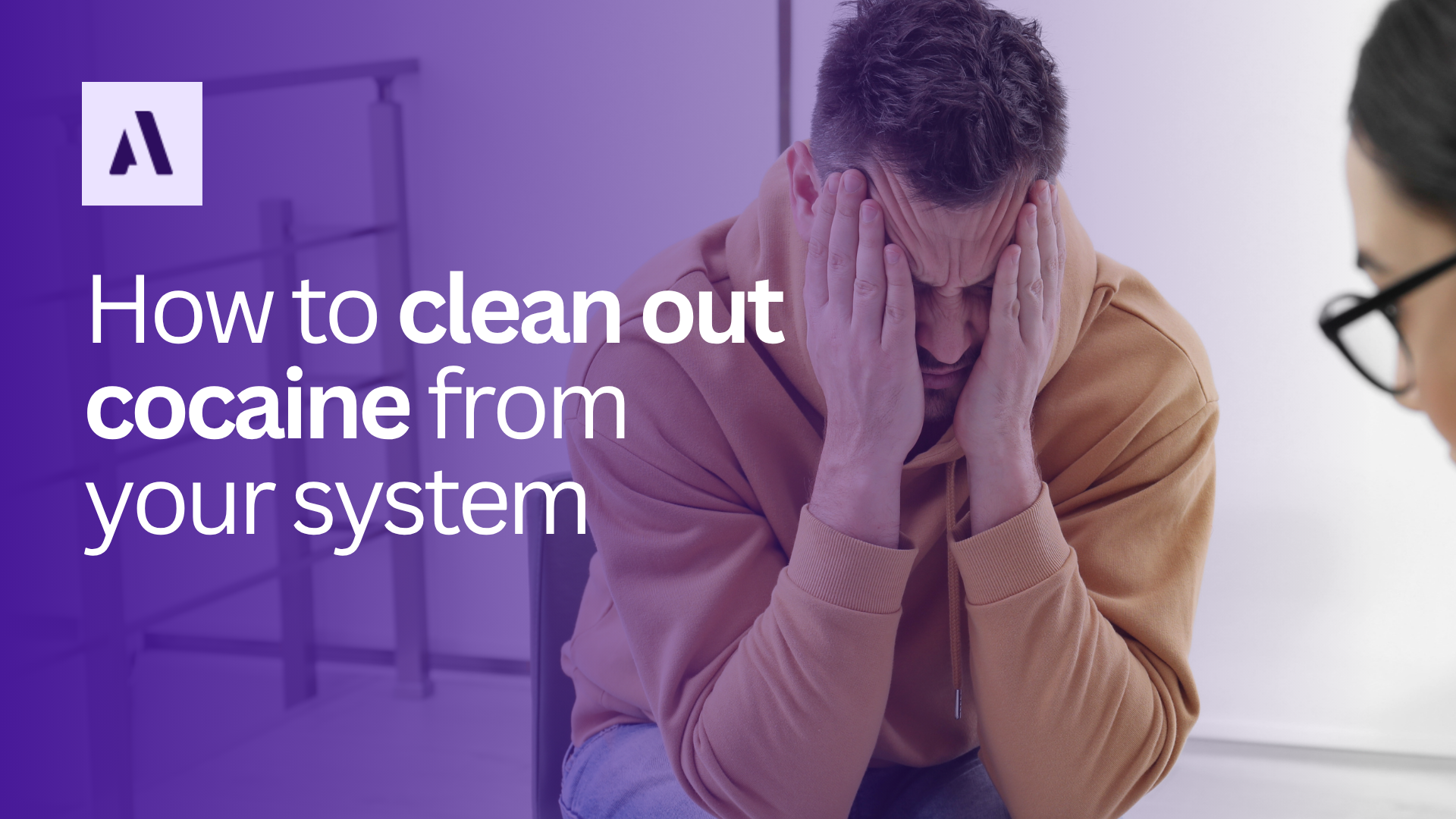

Cocaine is a highly addictive drug that can alter how you feel about things. In this blog, we’re looking at how to clean out cocaine from your system.
What is cocaine?
Cocaine is a highly addictive stimulant drug. It is also known as a Class A drug in the UK, meaning that individuals can risk police action when carrying or supplying it.
The drug is derived from the coca plant and can provide a sense of energy and euphoria when taken. While the drug can be taken in different ways, the effects remain similar. One of the biggest differences is how long it takes for the drug to start affecting a person. Powder cocaine is the most commonly used version, also known as cocaine hydrochloride. Read our blog on cocaine vs crack cocaine use.
Cocaine is known for being highly addictive as its effects often don’t last long. This means people often continue taking more of the drug to maintain its effects. This can quickly become a problem and lead to people feeling reliant on the drug. People may also mix cocaine with alcohol, which can present other issues.
How is cocaine addiction treated?
Some drugs have medical substitutes, which means that the body can be slowly weaned off the substance. Cocaine, however, does not have a medical substitute. Most of the time, any signs of withdrawal are actually psychological rather than physical. This means that the most effective treatment is through behavioural change.
When it comes to cocaine addiction treatment, cognitive behavioural therapy approaches are the most effective method. These can help you to understand your addiction and change the way you feel towards it. These changes enable you to make better decisions for the future.
How long does cocaine stay in your system?
Cocaine is known for staying in your system for much longer than its effects last. The exact amount of time that cocaine stays in your system depends on many factors, including the following.
- How much of the drug you have taken
- How long you have been using the drug
- Your metabolism and physiology
- Your hydration levels and kidney function
- Your method of use
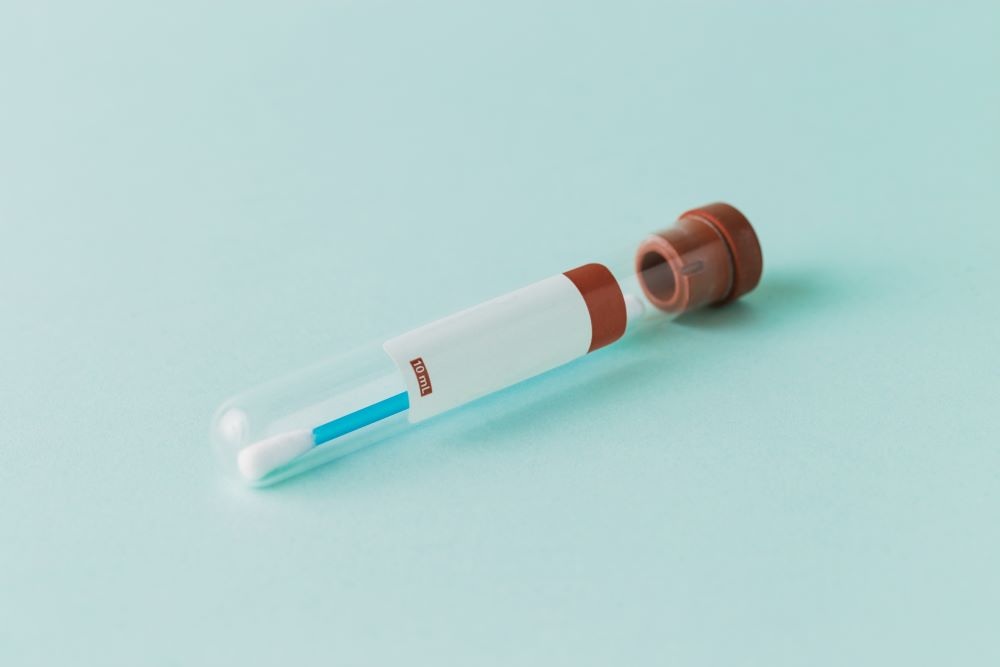
A range of different cocaine detection tests can be completed to determine if you have cocaine in your system. They will find the substance for varying lengths of time. Drug testing can be completed for many reasons. Read our blog on the dangers of pink cocaine.
Urine samples
Traces of cocaine can be found for up to 2 – 4 days when a urine test is completed. Some people, who have taken higher amounts of the drug, may have traces for a week or more.
Blood samples
A blood test can be used to determine cocaine use for up to 48 hours. However, the use must have been at least 12 hours before the test for an accurate result.
Hair follicle test
Hair follicles carry drugs for much longer and can often be used in investigations or other searches due to their longer detection window. Cocaine can be detected in hair follicles for up to 90 days after the last use. Several factors can also impact this method of drug testing.
Saliva test for cocaine use
Saliva can be used to determine cocaine usage for up to 48 hours. These tests are often used as a quicker way to detect cocaine.
How to clean out cocaine from your system
The only way to completely remove cocaine from your system is to stop taking it altogether.
It’s worth noting that a medical detox is not generally necessary for cocaine addiction, as it is best treated using behavioural interventions. Behavioural interventions are taught when an individual attends rehabilitation.
You must stop using cocaine if you have been advised to do so by a medical professional. The continued use of cocaine could lead to medical issues and also the breakdown of relationships. Read our blog on personal stories of recovery.
What are the signs of cocaine addiction?
There are many physical and mental signs of cocaine addiction. Sometimes, you might not spot these signs in yourself, and someone else might bring them up. While this can be hard to hear, it’s important that you listen and appreciate that they are trying to care for you.
Here are some of the most common signs of cocaine addiction.
- Frequent colds, congestion or nosebleeds
- Hyperactivity
- Agitation
- Difficulty concentrating or focusing
- Insomnia
- Struggling with daily functions, eg work
Cocaine can also impact the brain’s chemistry over time, which can lead to psychosis and poor mental health. Read our blog on the links between cocaine and anxiety and cocaine and depression.
It’s really important that you seek professional support for mental health concerns. You may require psychological support for substance abuse.
Stopping cocaine: What to do
Depending on your level of addiction, it’s a good idea to seek professional support and guidance on removing cocaine from your lifestyle.
For some people who aren’t addicted, removing the substance may be simple. For those who are addicted, you may experience some psychological side effects. It may be easier to manage these side effects with the help of a professional.
- Seek professional help for drug abuse
- Find a high-quality rehab centre, like Acquiesce
- Let your friends and family know
- Ensure a healthy diet
- Stay hydrated
- Partake in regular exercise
- Try to avoid triggers
- Consider support groups for drug use

What withdrawal symptoms might I experience if I stop taking cocaine?
Some people may experience fewer side effects from withdrawing from cocaine, but for others, they may be more intense. Common withdrawal symptoms can include the following.
- Agitation
- Feeling down
- Increased appetite
- Changes to sleep patterns
- Fatigue
- Poor concentration
When do cocaine withdrawal symptoms start?
As we mentioned previously, everyone has different reactions to withdrawals as it depends on so many factors.
How can Acquiesce help
At Acquiesce, we can support those dealing with cocaine addiction at our rehab centre in Bolton. We offer comprehensive support that is tailored to each individual’s needs.
Following our initial consultation, we can begin the treatment. We combine our 12-step programme with cognitive behavioural therapy approaches. These complement each other well, allowing you to get a better understanding of your addiction and learn ways of dealing with it effectively.
Our team of experienced therapists will also work closely with you. We provide individual, group and family sessions. Following your treatment, we remain in touch to provide guidance and celebrate your wins.
Are you looking for support with cocaine addiction for yourself or a family member? Contact us today to see how we can help. Working alongside a trusted rehab centre can help you manage withdrawal symptoms from drug use.