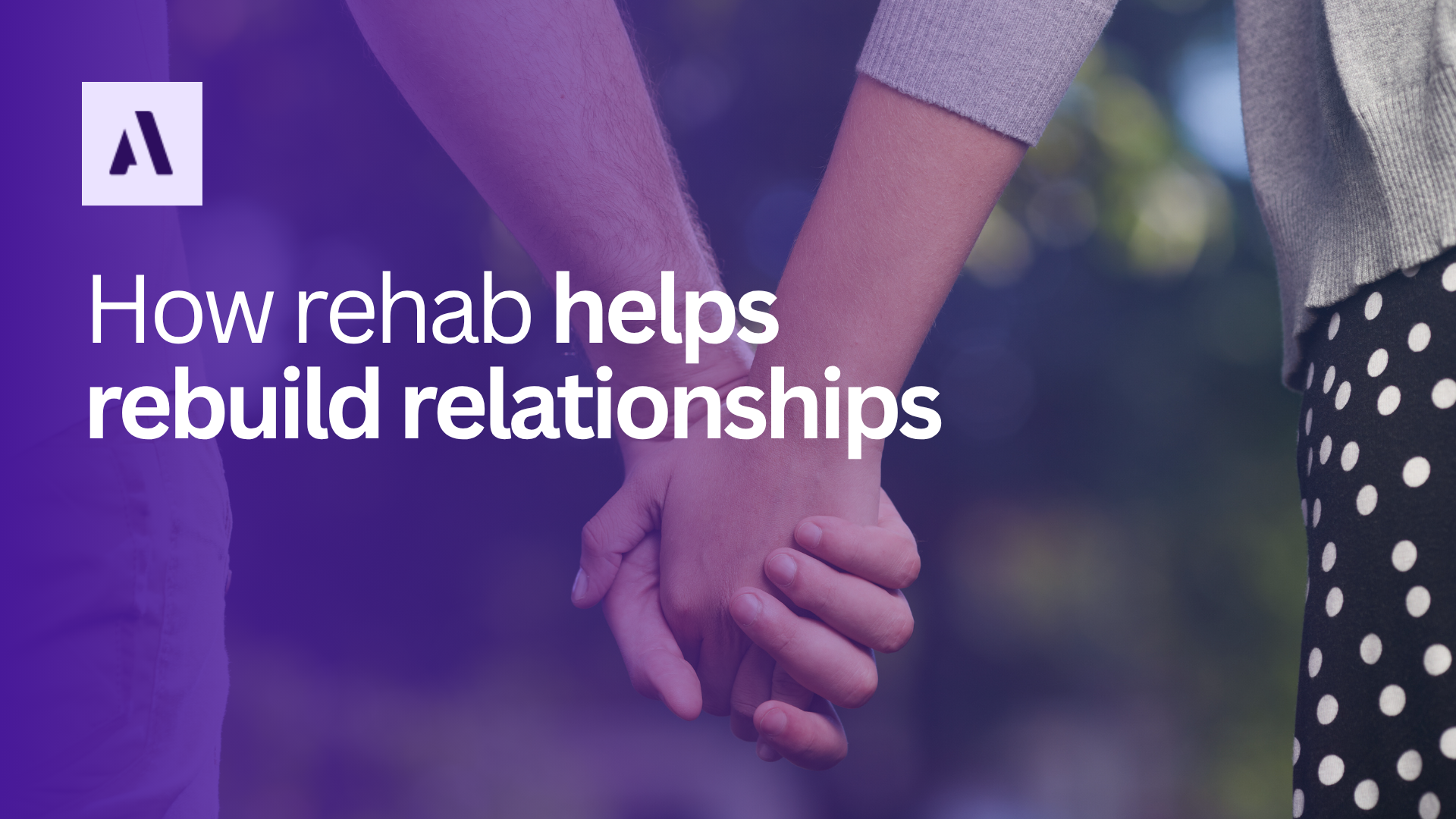

Deciding to attend rehab can be challenging, but it will likely be one of the best things you’ll ever do. Rehab not only helps you to live a life free from addiction, but it also enables you to rebuild friendships with the people you care about. In this blog, we’re looking into how rehab helps rebuild relationships.
Addiction can have severe consequences on relationships, whether that’s relationships with friends, family members, partners or someone else. Unfortunately, many people who turn to drugs and alcohol don’t realise how much it also affects the people around them.
In addition to affecting your family and close friends, it can also affect your neighbours, community and workplace relationships.
How does addiction affect relationships?
Addiction can affect relationships in a range of ways, including increased emotional stress caused by arguments, lies and unpredictable behaviour. It can also cause a significant breakdown in communication.
Many people who go through addiction also face financial difficulties and may even find themselves dealing with legal issues. Addiction can lead to job loss, which can be extremely stressful to deal with.
How can rehab help you rebuild relationships?
Many people complete the transformative journey of rehabilitation at Acquiesce. We specialise in all types of addiction, including cocaine, ketamine, alcohol, gambling, heroin and more.
We teach a unique model which prepares you for a fulfilling life after rehab. We ensure that every client is integrated into a real-world community setting, so you can learn valuable tools to manage the challenges and temptations of everyday life.
Every client receives a bespoke treatment plan which works alongside a combination of one-to-one and group sessions. We provide high-quality rehab solutions to promote sustainable and long-lasting recovery.
During the rehabilitation process, you will learn a lot about yourself, including how you can rebuild relationships in the future. We work closely with clients to identify triggers and address them effectively.
The rehab process can also benefit relationships as people can educate themselves, strive for more effective communication and provide a more supportive environment for their loved one.
By having a better understanding of addiction and the rehab process, you can reduce the risks of conflict in your relationships. Family therapy may be useful following addiction recovery. This can provide a safe and supportive environment for the family unit to discuss communication breakdowns. Read our blog on how to stage an intervention.

Tips for rebuilding relationships after rehab
Be patient
It’s really important to be patient with yourself and your loved ones when trying to rebuild relationships. It may be a good idea to organise a coffee or a walk with people you want to build friendships with again. Taking small steps is excellent as it reduces the amount of pressure on you and can foster trust.
Be honest and promote open communication
Clear communication can be really helpful when it comes to overcoming addiction and promoting recovery. By being honest about how you are feeling, you can help other people around you and enable them to support you if you need it.
It means that you can work with others when developing effective communication skills.
Respect others for healthy relationships
The people around you may have also gone through a tough time during your addiction, and it’s important to be aware of this. It will take time to rebuild the relationships, but in most cases, it is achievable. It’s really important to respect your loved one and show a mutual understanding of their situation, too. Creating healthy boundaries is a crucial part of the long-term recovery process.
Build a relationship with yourself and promote self-care
In order to have the best relationships with others, you need to have a solid relationship with yourself. Be kind to yourself and take time to reflect on how far you have come. You will face challenges, but by completing the rehab programme at Acquiesce, you have the tools and coping strategies you need to work through the challenges effectively.
Addiction can also impact your mental health, so it’s really important to be aware of this and seek emotional support if needed.
Continue working on yourself during the recovery process
Recovery doesn’t stop when you leave the rehab centre; it continues for a long time. The difference now is that you have the knowledge and tools to sustain your recovery.
We have an excellent aftercare programme, which enables clients to continue being supported for as long as they need.
We work closely with our clients throughout the entire rehab process. When you decide that you’re ready to leave our rehab centre in Bolton, we spend 7 days working on a recovery plan for you to follow. We keep in touch with all clients for three months after completing treatment. All of our clients are also given a direct contact number for their practitioner, who is there to provide support 24/7, should you need it.
We have also developed our own exclusive online members’ area, which has been designed for individuals experiencing the transformative journey of Acquiesce. The platform enables clients to share their journey, including challenges and achievements since leaving rehab. Clients are also invited to join a weekly Zoom meeting, which is focused on aftercare support. You may find it useful to look into support groups to help you on your recovery journey.
Rebuilding relationships takes time and consistent effort. Make sure you go at your own pace when building personal relationships.
Are you searching for rehabilitation support for an addiction? We can help you with the tools you need for effective recovery. We hope this blog has been helpful regarding how rehab helps rebuild relationships.