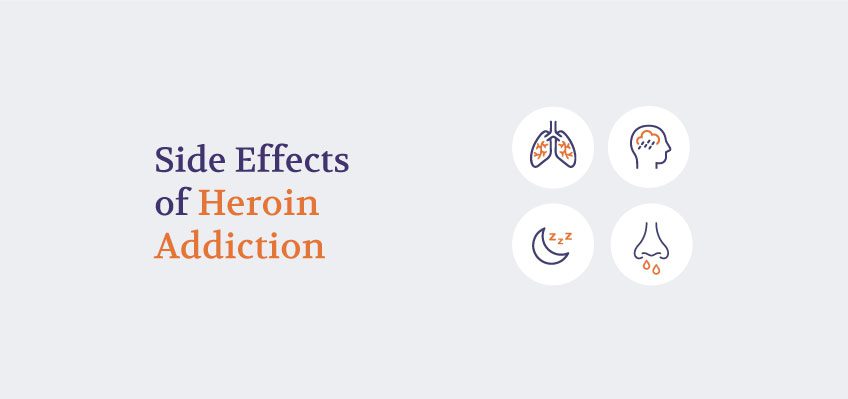

Heroin addiction is a serious issue that doesn’t discriminate, affecting people of all walks of life and all corners of the world.
Although using heroin may start off as a choice, it can quickly turn into a drug addiction that is extremely destructive– not just to the individual, but to everyone around them due to the rippling effect addiction has.
In this article, we’re going to be explaining some of the side effects of heroin addiction, from the physical and psychological side effects, to the negative consequences it can have on relationships, jobs and finances. Find out more about our heroin addiction treatment.
Physical Side Effects of Heroin Addiction
One of the first things to suffer at the hands of an addiction is an individual’s physical health. Heroin is an incredibly powerful drug that can lead to serious health problems, even when taken in the short-term.
Some of the health risks associated with both short and long-term heroin use include:
- Liver and kidney damage
- Collapsed veins
- Infection of the heart lining and valves
- Constipation
- Allergic reactions
- Exhaustion
- Watery eyes and runny nose
- Persistent flu-like symptoms
- Bruising and scabbing of the skin
- Sleep problems
- Abscesses
- Cellulitis
- Gastroenteritis
- Significant weight loss
- Paleness
- Hepatitis C and HIV/AIDS (from sharing needles)
- Weakened immune system, increasing vulnerability to diseases like pneumonia and tuberculosis.
Psychological Side Effects of Heroin Addiction
Not only can heroin addiction have a serious impact on the body, it can also take its toll on the mind.
Psychological side effects of addiction include:
- Anxiety
- Paranoia
- Depression
- Irritability
- Lethargy
- Feelings of hopelessness and despair
- Impaired ability to concentrate
- Poor judgement
- Confusion and disorientation
However, many individuals who start using heroin do so to take their mind off existing mental health issues. This is called a co-occurring disorder, and addiction often exacerbates symptoms of existing mental health problems. Read more about co-occurring disorders.
This is especially true during the withdrawal period, when the high has ended and individuals are left feeling down and unwell as a result of uncomfortable withdrawal symptoms such as chills, tremors, sweats, nausea, achiness and diarrhoea.
Withdrawal can often last over a week, causing many to take heroin again in order to relieve the symptoms. This is called a relapse.
How Heroin Addiction Affects Relationships
Individuals struggling with a heroin addiction may find themselves lying or being secretive in order to keep their addiction hidden. They may also steal or lie about money in order to buy more drugs and prioritise fuelling their addiction over the feelings of their loved ones.
This can put a heavy strain on relationships, whether it be with family, friends, or romantic partners, creating walls and trust issues that drive rifts.
Heroin addiction can also cause individuals to isolate themselves from their friends and family members due to feelings of shame or embarrassment about their addiction and behaviour. This can lead to feelings of loneliness and helplessness which often fuel the addiction more.
They may also start to spend more time with people who use drugs, which can further isolate them from their loved ones.
How Heroin Addiction Affects Financial Stability
Another common side effect of heroin addiction is financial instability. Many people who are addicted to heroin end up spending thousands of pounds acquiring the drug, which can cause serious financial problems.
This can also cause further issues with loved ones, especially if the financial strain impacts them, or if the individual resorts to stealing money or selling valuable goods in order to fund their addiction.
How Heroin Addiction Can Affect Your Job
A heroin addiction can also quickly start to impact other aspects of an individual’s life, such as their job.
When using heroin frequently, or enduring withdrawal symptoms during working hours, individuals may find themselves performing poorly at work or failing to show up at all due to a lack of motivation and uncomfortable withdrawals.
If employers notice poor performance and attendance, they are likely to take action by issuing a warning and if the behaviour continues, they may even decide that firing the individual is the right choice.
Workers struggling with an addiction may also be tempted to take heroin during their working hours, which could get them into serious trouble, particularly in job roles where being under the influence of drugs could pose a risk.
Should the individual lose their job as a result of their heroin addiction, they may find themselves feeling ashamed and embarrassed to tell their loved ones, leading to further secrets, isolation and financial instability.
Getting Help for a Heroin Addiction
The side effects of heroin addiction are devastating, both for the addict and for those around them. If you or someone you know is struggling with heroin addiction, it is important to reach out for help as soon as possible.
At Acquiesce, If you are suffering from heroin addiction and are ready to give up the substance and significantly improve your quality of life, contact us for your free consultation today.
Treatment for heroin addiction at Acquiesce begins with a free confidential consultation with a Recovery Practitioner in order to establish the individual needs and suitability for safe treatment with the service. This can be done either by phone call or by booking an appointment at the centre.
Once the correct treatment pathway has been established all arrangements for a smooth and hassle free admission, including transportation would be made and agreed.
In most cases, treatment for heroin addiction would begin with a detox in order to safely and comfortably remove the substance from the body.
Acquiesce then provides a safe and therapeutic environment which is conducive to the recovery from heroin addiction. A combination programme of evidence based therapies are then delivered by a team of experienced professionals.
The therapies address the physical, psychological, social and spiritual aspects of cocaine addiction. The programme also utilities holistic therapies, social activities and regular fitness sessions and exercise.
Individuals will learn to understand their addiction and gain the knowledge and tools for an ongoing sustainable solution and recovery.
Upon completion of rehab treatment individuals will have a personal and comprehensive relapse prevention plan and on-going support and aftercare that is provided as standard.
Get in touch with our team today to find out more.
Heroin Addiction FAQs
What is Heroin?
Heroin is an illegal Class A drug in the UK. It’s a highly addictive substance made from opium poppy plants.
How Does Heroin Addiction Work?
People who use heroin typically inject, smoke or sniff it. All methods lead to the same effect – a ‘rush’ of euphoria followed by a sense of wellbeing.
However, this high doesn’t last long and is followed by feelings of anxiety and depression. Regular use leads to tolerance, meaning that users have to take more of the drug to get the same effect.
Many individuals who start taking heroin recreationally end up developing an addiction.
Once addicted, it can be very hard to stop because of the drug’s effects on the brain and with time, heroin addiction can take over someone’s life leading to harmful consequences for them and those around them.