
Rehabilitation is used by individuals who are experiencing addiction. At Acquiesce, we pride ourselves on taking clients on a transformative journey of rehabilitation. In this blog, we’re looking into the role of exercise and nutrition in rehab.
When individuals become addicted to a substance or activity, whether that be alcohol, drugs, gambling or something else, they can stop looking after themselves. Not only does this create additional problems for your health, but it can also be hard for the people around you to see.
Effective rehabilitation can change your life. The rehabilitation journey should be holistic, enabling you to heal mentally, spiritually and physically. At Acquiesce, we teach the tools and techniques to support you with effective, holistic treatment.
How does addiction affect the human body?
Addiction affects the body in many ways. For some people, it can exacerbate mental health conditions. If you believe you are suffering from poor mental health, you should always seek professional advice.
From a physical perspective, drug and alcohol addictions can lead to nutrient deficiencies in the body, such as folic acid and vitamins.
Some people who become addicted to substances may also find themselves having less of an appetite, leading to skipped meals and malnutrition.
Without proper nutrition and potentially a lack of sleep, the body is not primed to perform regular exercise, which can lead to negative consequences. Not completing regular exercise can lead to weight changes, weaker muscles and poor emotional health, potentially causing further physical health problems.
The role of nutrition in rehab
Eating a balanced diet is excellent for health and well-being. It ensures that our bodies have the correct nutrients and minerals to prepare us for the day. Many people underestimate the links between healthy eating and mental wellness, too, which is important during recovery. A good nutritional status can improve cognitive function and promote good immune function.
How poor nutrition impacts the brain
Poor nutrition can have serious implications for brain health. It can lead to significant deficiencies and can exacerbate mental health conditions, such as anxiety and depression. As we said earlier, it’s important to try and promote positive mental well-being during recovery.
A balanced diet can also help to reduce rapid mood changes. With heightened imbalances, a person can experience significant energy level shifts, which are also challenging to handle.
The role of physical exercise training in rehab
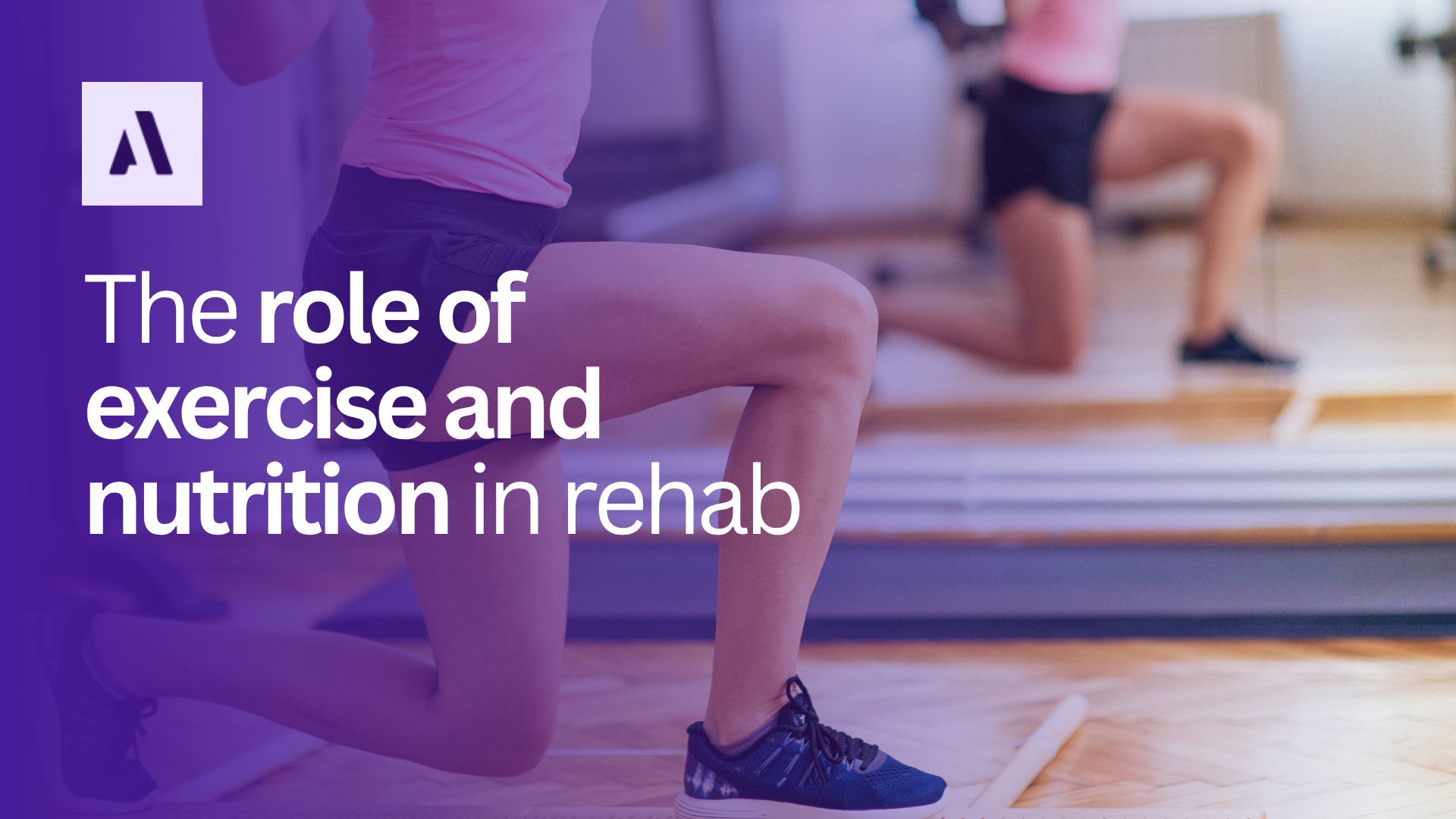
Exercise has fantastic benefits for the body, both physically and mentally. By taking time out to move your body and complete regular aerobic exercise, you can increase endorphins, improve cardiovascular health, reduce stress, improve sleep and feel as if you have achieved something. It’s good to have a combination of cardio and resistance training.
Exercise can help to reduce the intensity of some mental health conditions, as it helps regulate serotonin and dopamine activity in the brain, helping people to feel more positive.
For many people in rehab, it can be useful to set regular goals. Exercise is a great way to increase focus and reach goals. This can have a really positive impact on a person’s self-esteem. It enables people to feel as if they have achieved something, even if it’s a small goal.

Why should you prioritise a healthy lifestyle during the recovery process?
By putting your health and well-being first in rehab, you can achieve excellent results. Exercise helps the body in many ways, including improving organ function and circulation. It can help you to support your immune system, which may have become weakened during addiction.
Incorporating exercise into your routine can also boost confidence, which supports people on their recovery journey. Completing small goals can help people gain more self-belief, enabling them to reach bigger goals too.
Tips for maintaining a healthy lifestyle in addiction recovery
- Start small and continue progressing
- Don’t panic if something doesn’t go to plan
- Set goals and create a routine
- Seek support if you need it for your overall health
- Aim to eat three meals a day to meet nutritional targets and maintain a healthy diet
How does Acquiesce promote nutrition and physical activity in rehab?
Acquiesce Rehab Centre in Bolton has been rated ‘Outstanding’ by the CQC. We achieve excellent results for clients, with a 98% success rate, compared to the national average of between 60 and 70%.
We promote nutrition and exercise in rehab in a variety of ways, including regular fitness sessions built into your bespoke programme, nutritional support from experts, healthy meals, health and well-being support, sleep hygiene advice and designated time for rest and relaxation.
At our rehab centre, clients can experience the following activities.
- Yoga – great for the healing process
- Gym, swim and sauna
- Outdoor walks
- Acupuncture
- Rest and relaxation
- Massage
Taking part in these activities enables you to relax and reflect on your journey. Reflection can be extremely helpful during rehab and ongoing recovery. It can also help to promote mental health benefits.
When you choose to partner with Acquiesce for recovery, you can be confident that you are receiving specialised support that is tailored to your personal needs.
Research consistently shows that combining structured exercise, balanced nutrition, and therapeutic support can enhance both short and long-term recovery outcomes.
Are you ready to transform your lifestyle and be free from addiction? Contact us to see how we can help. Our friendly team will always provide you with professional and confidential advice.