
The body has many functions, one of which is processing food and drink when it has been consumed. In this blog, we’re answering the question, how long does it take alcohol to leave your system?
How does the body process alcohol?
Alcohol is a substance that is best avoided or only used in moderation. If it is abused, it can have some very serious consequences, which can be life-changing or threatening. If you are concerned about yourself or someone else, seek professional medical help.
When we drink alcohol, it passes through the digestive system into the oesophagus, stomach and small intestine. On average, 20% of the alcohol remains in the stomach, and 80% is sent through the small intestine, which means it is transported into the bloodstream.
Once alcohol enters the bloodstream, it is sent around the whole body. This is often why people experience changes to many of their bodily functions when drinking alcohol, for example, frequent need to urinate and mood changes.
After this, alcohol usually finds itself in the liver, where it is processed. This process is also known as ‘alcohol metabolism’. Unfortunately, many people who partake in alcohol abuse end up with liver problems. Read our blog on alcohol-induced liver damage.
The liver has a very important job, and it can only work so fast. Generally, the liver can only process one unit of alcohol per hour. This process works in stages, which means that if you drink more than one unit of alcohol per hour, the rest of the alcohol will remain in the bloodstream until there is room in the liver. This can lead to further issues in other areas of the body, such as the brain, as the alcohol remains there for too long.
When alcohol is not processed fast enough, it can lead to alcohol poisoning. This is extremely serious and will require medical attention.
What is blood alcohol concentration?
Blood alcohol concentration is also known as BAC and is the amount of alcohol in your bloodstream at one time. This figure will usually be displayed as a percentage.
If you have just one drink, your BAC will remain fairly low. If you drink more alcohol consecutively, you aren’t giving your body time to reduce the BAC, which means it continues to increase.
As your BAC increases, so do your chances of experiencing the negative effects of drinking alcohol.
Alcoholic drinks and units
Having an understanding of alcohol units can help you maintain better control of your drinking habits.
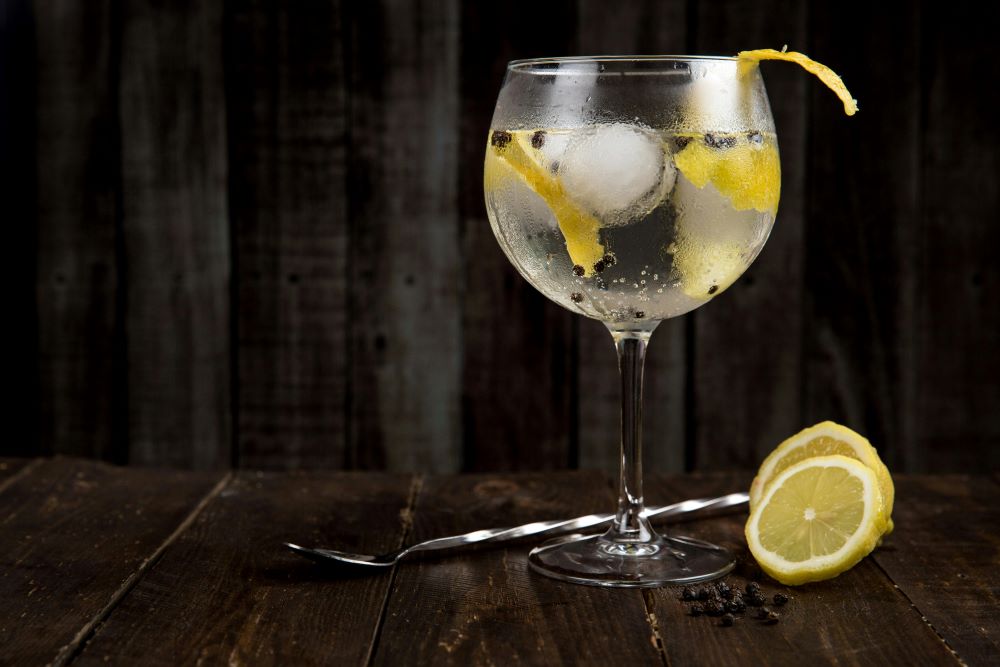
One unit is 10 millilitres or 8 grams of pure alcohol. This means that different drinks have a different number of units depending on size and strength. Units can be used to identify how strong a drink is.
You can check the label and see each drink’s ‘ABV’ or ‘alcohol by volume’.
Generally, the body can only process one unit of alcohol per hour. Here is a rough guide to units in alcoholic drinks.
- 1 pint of 4% beer – 2.3 units
- 175ml glass of 13% wine – 2.3 units
- 1 single measure spirit (25ml) – 1 unit
- 125ml glass of 12% champagne – 1.5 units
Read our blog on how many units per week is classed as an alcoholic.
How long does alcohol stay in your body?
Aside from the other factors which can impact how long alcohol stays in your body, of course, another significant factor is how much you have drunk.
If the body takes one hour to process one unit of alcohol, then it would take an average of four hours to process four units of alcohol and so on.
This is very important to remember, as many drinks contain more than one unit of alcohol. When a drink has been processed, it means there is none left in the bloodstream.
Your body starts to process the alcohol around 30 minutes after you start drinking. Then, after the initial 30 minutes when the alcohol enters the system, your body will process approximately one unit per hour.
Additionally, if you know you need to drive somewhere, you should avoid drinking altogether. Even if you drink the night before, you might not be safe to drive the next day. Read our blog on alcohol and sleep.
How long is alcohol detectable for?
Various tests are used to detect how much alcohol is in the body. Depending on the results from one test, you may be invited to have another test to confirm the results. These are effective ways to detect alcohol in the system.
You might be wondering, how long does alcohol stay in the blood, and we’re here to tell you.
Blood test
A blood test can be used to establish how much alcohol is in your bloodstream at the time of the test. These can be effective for up to six hours after the last alcoholic drink has been consumed.
Urine tests
Alcohol can impact your typical urination patterns by increasing your need to use the bathroom. However, alcohol actually dehydrates the body, which is why drinking water can also help to reduce the effects of alcohol. A urine test can show the amount of alcohol in your system for 12 – 14 hours after the last drink.
Breath test
A breath test is one of the most common ways to check how much alcohol is in the system and is completed using a breathalyser. These can be effective for 12 – 14 hours after you finish your last drink.
Saliva test
Similar to the above, a saliva test can be used to detect alcohol between 12 – 14 hours after the last drink.
Hair follicle test
Hair follicles maintain traces of alcohol and drugs for a long time. They will show substance use for up to 90 days after you last consumed alcohol.
What affects how long alcohol stays in the body?
There are so many factors that can affect how long alcohol remains present in your body. Even two people with the same body composition drinking the same amount of alcohol can have alcohol in their bodies for varying lengths of time.
Age
As we get older, the amount of water in our bodies reduces, which can lead to a higher BAC and slow down the rate at which alcohol is absorbed.
Gender
Typically, females have higher percentages of body fat and less water in the body than males. This means that males are usually able to process alcohol faster.
There is also evidence that women metabolise alcohol differently depending on where they are up to on their menstrual cycle.
Body weight
Those with less fat in the body tend to maintain a lower BAC. This is because they have high-water muscle tissue as opposed to lower-water fatty tissue.
A person’s height can also affect the way their body processes alcohol. Smaller individuals are more likely to have a higher BAC even if they are muscly and not overweight.
Food
You’ve heard the saying that it’s not good to drink on an empty stomach, and it’s true! Those who have food in their stomachs are likely to experience a lower BAC as the body takes longer to process the alcohol. The rate at which alcohol is transferred to the stomach is slower.
Medications
Medication can affect the body in many ways, depending on what it is treating. The metabolism can be highly affected by some medications, which impact how the body processes alcohol and other things, such as food. Medication can increase the rate at which alcohol travels around the body, leading to a higher BAC and meaning that you feel the effects of alcohol faster.
So, alcohol leaving the body takes varying amounts of time for different people, depending on many factors. The more you drink, the longer it will take for alcohol to leave your system completely. This highlights the dangers of binge drinking alcoholic beverages too.

Do you need help with a drinking problem?
If you find yourself drinking alcohol every day and struggling with the side effects, then you may have a drinking problem. There is no set scale for knowing whether your drinking habits are a problem; instead, it’s about how you are as a person. Read more about grey area drinking.
Many people who drink too much daily end up being unable to carry out daily activities. They may also feel down and have family members expressing their concerns. The good news is that you’re not alone.
At Acquiesce, we help so many people struggling with excessive alcohol consumption through our rehab programmes. We provide practical solutions to alcohol addiction and can help you achieve long-term sobriety.
The advice for those with a physical alcohol dependence is that you should not completely eliminate alcohol. Instead, alcohol withdrawal should be done in a controlled manner. Here’s what to expect from alcohol rehab.
We are committed to providing our clients with the highest standard of care and use a range of proven therapy techniques and approaches to help you on your journey.
If you or a loved one is struggling with alcohol addiction, we encourage you to reach out to us at Acquiesce. We are here to help you take the first step towards a brighter future.
Contact us today to get started with our expert alcohol addiction support. We hope this blog has been helpful regarding alcohol metabolism.